Impact of online learning on sense of belonging among first year clinical health students during COVID-19: student and academic perspectives | BMC Medical Education

Online student cross-sectional survey

Demographic characteristics

A total of 179 out of the possible 663 students (27{af0afab2a7197b4b77fcd3bf971aba285b2cb7aa14e17a071e3a1bf5ccadd6db} completion) completed the online survey in June 2020. Median age of students was 19 years (IQR 18–28 years) and there were approximately three times as many females as males (Table 1), reflective of the undergraduate health sciences cohort (70{af0afab2a7197b4b77fcd3bf971aba285b2cb7aa14e17a071e3a1bf5ccadd6db} female). Student numbers were also reflective of the broader enrolment numbers in the programs (i.e., occupational therapy is the largest program). Just over half (53{af0afab2a7197b4b77fcd3bf971aba285b2cb7aa14e17a071e3a1bf5ccadd6db}; n = 94) of students had no prior experience in undertaking a Bachelor degree, and 76{af0afab2a7197b4b77fcd3bf971aba285b2cb7aa14e17a071e3a1bf5ccadd6db} of students had not completed any online courses prior to enrolment.

Table 1 Demographic characteristics

Quantitative results to the sense of belonging questionnaire

In terms of students’ sense of belonging to the university, the majority felt ‘quite’ or ‘extremely’ happy with their choice of university (74{af0afab2a7197b4b77fcd3bf971aba285b2cb7aa14e17a071e3a1bf5ccadd6db}) and felt ‘quite’ or ‘extremely’ welcomed by the university (68{af0afab2a7197b4b77fcd3bf971aba285b2cb7aa14e17a071e3a1bf5ccadd6db}). While most students felt respected by both staff (70{af0afab2a7197b4b77fcd3bf971aba285b2cb7aa14e17a071e3a1bf5ccadd6db}) and students (60{af0afab2a7197b4b77fcd3bf971aba285b2cb7aa14e17a071e3a1bf5ccadd6db}) at the university, students reported less connectiveness (23.5{af0afab2a7197b4b77fcd3bf971aba285b2cb7aa14e17a071e3a1bf5ccadd6db}) to the university. Only 20{af0afab2a7197b4b77fcd3bf971aba285b2cb7aa14e17a071e3a1bf5ccadd6db} of students reported they felt they were understood as an individual, and only 13{af0afab2a7197b4b77fcd3bf971aba285b2cb7aa14e17a071e3a1bf5ccadd6db} felt they ‘quite’ or ‘extremely’ mattered to others at the university (Table 2).

Table 2 Online learning and Sense of Belonging to the University [1]

Table 3 shows how the online learning experiences impacted on students’ perception of the course; 27{af0afab2a7197b4b77fcd3bf971aba285b2cb7aa14e17a071e3a1bf5ccadd6db} of students felt ‘quite’ or ‘extremely’ connected to staff while 16{af0afab2a7197b4b77fcd3bf971aba285b2cb7aa14e17a071e3a1bf5ccadd6db} of students felt ‘quite’ or ‘extremely’ connected to other students. While 49{af0afab2a7197b4b77fcd3bf971aba285b2cb7aa14e17a071e3a1bf5ccadd6db} of students rated 4 and above for the level of respect that they received from other students and their contribution towards the subject, students who had prior higher education felt less respected than students who had no prior higher education (p = 0.03). When asked how the online subject had contributed to understanding, knowledge/skills in their chosen health profession, about half of the students rated the online subject highly (rating 4 and above). Students who had prior higher education indicated higher ratings of understanding and knowledge/skills compared to students without prior higher education (p = 0.07 and p = 0.03 respectively). There was also a significantly higher proportion of students with no prior higher education who identified the online learning experience as either ‘quite’ or ‘extremely’ likely to impact their intention to continue with their current course (p = 0.001).

Table 3 Impact of online profession-specific subject on perception of the course

Qualitative results

Qualitative findings provided insight into experiences of staff and students during the rapid, unplanned transition to online learning. Student questionnaire responses included two open-ended questions expanding on enablers and barriers to sense of belonging. These yielded 145 enablers and 254 barriers to students’ feeling a sense of belonging. Data were subjected to qualitative content analysis by two authors and categories are presented in Additional file 1.

Three focus groups were conducted: two student sessions, each with two students enrolled in Speech Pathology and Paramedicine, and one academic session with five participants. Four full time academics and one casual academic participated from a total population of nine eligible academics. Using the processes described in the methods, focus group analysis was compared with the survey content analysis and the authors identified synergies between them. Findings were then integrated under a global theme, underpinned by organising and basic themes. The following themes reflect triangulation between academic and student focus group data in addition to survey responses.

Global theme—navigating belonging during the COVID-19 crisis: a shared responsibility

“We are in this together…making the best of this”

This theme explores sense of belonging creation during this period as a shared process, where participants perceived they worked together to get through the crisis. Students and academics encountered many challenges as they transitioned to online learning but despite hard times, were able to engage positively. The global theme revealed students and academics were navigating belonging during the COVID-19 crisis, and this journey was a shared responsibility. Both groups were working to achieve positive student engagement that would in turn create a sense of belonging in first-year students. A strong commitment of working hard to make the best out of this was mutually acknowledged.

Students perceived academics had done “a really good job at making sure we belonged…in those first few weeks that we were on campus but even more so probably while we were in Zoom” (Student-Astrid-Focus Group). Academics perceived students were actively engaged in making online learning work and were collegial and collaborative.

The shared experiences about navigating belonging during the COVID-19 crisis, have been captured under four organising themes: dimensions of belonging, individual experiences and challenges, reconceptualising teaching and learning, and relationships are central to belonging. Within each organising theme, basic themes were identified that provide depth to the organising theme (Fig. 1). Additional files 1 and 2 present a summary of the quotes obtained from the open-ended surveys and focus groups respectively, that contribute to the themes in Fig. 1.

Fig. 1
figure 1

Pictorial representation of the global, organising, and basic themes

Organising theme: dimensions of belonging

This theme outlines that belonging is a multidimensional experience with several facets underpinning participants’ experiences. Students and academics identified several dimensions of belonging in relation to first year students’ experiences, as illustrated by two basic themes that sit under the organising theme: what it means to belong, and layers of belonging.

Basic theme: what it means to belong

This theme explores the idea that belonging at university is underpinned by feeling valued and connected. Academics and students agreed that having a sense of being valued by the university and a desire to have an active connection across all aspects of university life was important for students.

Belonging as a student was gained through a connection with the “vocation” (Student-Claire-Focus Group) or the course and career, and with people who will “be there” (Student-Claire-Focus Group) for them. Furthermore, support of academics was critical to gaining a sense of belonging. It was noted by academics and students, that when students feel they belong at university, they are actively engaged in their learning, and this sense of belonging in turn shapes their overall identity. Students can then “actually sort of relax and become themselves” (Staff-Brooke).

Belonging to their cohort, their course, their future profession, and their university was important for students. One academic noted that the “concept of acceptance” is part of the sense of belonging and goes “both ways” (Staff-Brooke).

Both academics and students agreed that the rapid change to online learning due to COVID-19, meant that developing a sense of belonging was challenged.

Basic theme: layers of belonging

This theme identified layers of belonging reflected in participants’ experiences. Peer, academic and professional layers each contributed to an overall sense of belonging and key examples are provided below.

Peers

Belonging to peers was described as “having that connection to someone that’s going through exactly the same thing as what you’re going through” (Student-Astrid-Focus Group). Students were concerned that when learning moved online that this sense of belonging would be jeopardised by less opportunities for in-person interaction.

Academics

Being connected to academics was perceived by students as directly impacting learning, with one student commenting: “…when they’re not connecting with the teacher, they’re not connecting with the content, they’re not connecting with the feedback. That’s when you develop this sense of feeling like you just don’t belong” (Student-Emily-Focus Group).

Academics perceived it was also important for students to develop a sense of belonging to the university community.

Profession

Belonging to a profession was identified as an important feature of belonging by academics and students. Studying a degree with a clear professional identity facilitated first year students to feel they belonged compared to those undertaking general health science degrees which may have multiple pathways and career options less directly aligned to first year studies.

One academic actively encouraged first year students to belong to their professional association as a way of fostering belonging in first years.

Organising theme—Individual experiences and challenges

This theme outlines that while there are similarities in participants’ experiences, individuals have unique contexts and factors shaping their experiences. Academics and students reflected upon personal impacts of the COVID-19 pandemic on their teaching or learning and how they responded as individuals to the ensuing challenges. Two basic themes emerged: Challenges of transition and recognising different learning preferences.

Basic
theme
—challenges of transition

This theme explored the significant challenges of transitioning to online teaching and learning. For some students, the transition to online learning offered potential benefits of flexibility and reduced travel time. Two of the four students in the focus groups opted for online learning opportunities available in other subjects of study prior to the pandemic to efficiently manage their study and external commitments. Nonetheless, the pandemic brought a raft of personal challenges that diminished these expected benefits. Covid-related changes to family employment, reduced access to childcare support and non-optional home schooling presented new concerns.

Clearly, students missed the opportunity to focus attention on their learning needs when balancing childcare demands and home-schooling during lockdowns.

Unlike a conventional online courses where students choose or plan to be online, the sudden, unexpected, and unplanned move to online study was prefaced by a short period (four weeks) of in-person class time. This initial in-person time was identified as being key to relationship building.

Academics identified positive experiences and challenges during the transition to online learning. The rapid change presented a problem to be solved and individuals could “embrace it and to work effectively…as a team” (Staff-Jane). Quickly strategizing and responding to the demands of online learning required team knowledge, experience, and support. Hence, enhanced team culture was a further positive for academics, being “present for each other” (Staff-Brooke).

Basic
theme
:
recognising different learning preferences

This theme identifies experiences of online learning influenced by personal attributes, individual expectations and learning preferences. Such key factors impacted students’ capacity to maintain focus on academic goals after the rapid change to online learning. Some students reflected that barriers were not solely a feature of online learning environments, reporting that competing priorities, including work commitments and limited contact time with staff as pre-existing challenges to belonging. However, some students directly attributed their limited engagement and reduced motivation to the online learning environment.

Students suggested that active engagement “comes down to personality” (Student-Astrid- Focus Group). If a student was not shy they were comfortable to come forward and participate online. Some students perceived clear links between personal discipline, engagement, commitment, and achievement in online learning environments.

Further, students perceived effective (and ineffective) online group functioning reflected personalities of individual members, with some groups/personalities seen as being able to organise whilst other groups lacked leadership and cohesion.

Students who perceived themselves as active engagers reported being drawn towards other students who demonstrated motivation to interact and learn. Other students perceived their personalities or learning preferences were misaligned with the expectations of belonging in online learning environments and focussed upon tasks rather than connection.

Academics recognised student diversity and a need to reflect and re-evaluate expectations of students in online environments. They accepted that some students may be quietly engaging and learning to belong, but this was harder to observe in online compared to in-person learning environments.

Organising theme—relationships are central to belonging

This theme identified the relationship between all parties as a fundamental aspect of creating a sense of belonging. Two basic themes were influential in shaping perceptions of how relationships and connections contribute to belonging: collaboration with peers is fundamental, and effective and regular communication with staff is necessary.

Basic
theme
—collaboration with peers is fundamental

This theme revealed collaboration with student peers was a key element of creating a sense of belonging. The degree of social interaction with student peers and opportunities to create friendships contributed to feelings of belonging. Accordingly, students found it problematic when peers neglected to turn cameras on during classes, making interaction very difficult. Visualisation of peers and use of cameras in online classes impacted students’ opportunities to get to know each other.

Challenges posed by online learning were further highlighted in the student survey through a focus on non-academic aspects of university and campus life. Typically, university campuses offer interactional opportunities through clubs, sport, and shared spaces to learn and socialise. Campus life, students suggested, may facilitate learning and personal development. Absence of this type of interaction was linked to barriers in developing friendships and consequently a lesser sense of belonging as reflected in Additional file 1.

Basic theme—
communication
with academics is necessary

This theme outlined that communicating with academics was a key component of creating a sense of belonging. With less opportunities for peer support, there was stronger reliance on the academic-student connection, although students reported positive and negative interactions with academics during online learning.

Positive interactions and individualised communication with academics enhanced student sense of satisfaction and belonging. Furthermore, students in the focus groups reported a feeling of trust and a bond created by a shared challenge. Survey responses echoed this sentiment, noting that academics were “non-judgmental and supportive” (Student Survey 18) and created a sense of camaraderie. However, when students perceived impersonal communication from academics, they felt less connected or believed that teaching had become a “transaction” (Student-Astrid- Focus Group). Perceived levels of enthusiasm and engagement from academics influenced student’s perceptions of connection and belonging.

Students identified the online environment as a barrier to communication with academics. While systematic and university level communication was perceived as a useful source of information, students prioritised individualised communication from academic staff as key to belonging.

Academics concurred that effective communication was challenged in online environments, missing non-verbal cues and responsivity that characterises a classroom environment. Although the online learning environment provides an opportunity for academics to connect professionally with students, there were students who left their cameras off, with one academic noting they didn’t push this issue because there are many reasons for students choosing this option.

Organising theme: reconceptualising teaching and learning

This theme reveals how academics and students reconceptualised their expectations and modes of teaching and learning, to manage the crisis. It was not easy for academics or students, and many strategies were employed to make it work, with two basic themes emerging: challenges to online teaching and learning, and strategies to engage and connect.

Basic theme:
challenges
of online teaching and learning: “how do I make this work?”

This theme outlined many challenges faced by both academics and students during a rapid change to online mode. With the rapid change to online learning, academics asked themselves, ‘How do I make this work?’.

Managing workload

Academics reported their workload increased significantly, and they “found it a juggling act” (Staff-Louise) to meet their teaching requirements. Administrative loads consequently increased when reduced in-person contact with students led to more electronic communication. Academics needed to up-skill in online teaching in a short time frame and perceived this responsibility as all encompassing.

The rapid switch to online learning attracted significant academic workload, implementing and adapting content to see how material “might play out in a Zoom environment…[where]…everything takes longer” (Staff-Natalie).

Some students noticed a temptation to disengage from online learning, which meant balancing their workload and study demands became a challenge as they also faced significant workload and stressors in their personal lives due to COVID-19.

Class dynamics

Academics and students spoke about the change to classroom dynamics. The online environment was noted as being one in which it was difficult to read the room to see how students were progressing with their work. Others tried to use humour to enliven a class, only to have the Zoom frame freeze, killing the mood they were trying to create. Hence, staff felt teaching online was less conversational, flexible and responsive compared to face-to-face. Moreover, academics missed hands-on practical elements; a big shift for some programs.

Technological challenges

Academics learnt new skills quickly, but often these skills would be challenged when technology failed. Some academics reported a sense of vulnerability due to technological ineptitude but acknowledged that making mistakes in front of students could humanise the experience. Academics also acknowledged that some students did not have adequate technological resources to meet changes in their learning requirements when classes were placed online.

Basic theme: strategies to engage and connect

This theme reflected the strategies academics and students employed to remain engaged and connected. Academics worked hard to enhance online learning and hoped to connect with students and engage them in activities. Students too were active and appreciated academics’ efforts to facilitate engagement and connection. Underlying many of the strategies adopted by academics was a deep concern for student welfare during this time. Therefore, many academics aimed to ensure students were engaged and connected with each other and with the academic team. Academics built in small group opportunities during online teaching so students could connect, learn, and socialise.

Staff also spoke about informing students they could contact staff for support. One staff member described crossing the divide and actively discouraging a ‘them and us’ dynamic between students and staff.

A variety of teaching tools were identified by staff to build connection and promote engagement. Such tools included interactive quizzes, ice breakers activities, integrating reflective practices into activities and ‘drop in’ sessions. Staff also encouraged students to establish social media groups or other group experiences outside the classroom. Some staff members arrived early to zoom classes and left late to enable students to connect informally.

Students appreciated staff attempts to provide these activities. Students found these initiatives helpful, recognising staff placed effort into knowing students personally and focussing on student wellbeing and achievement. Students cited examples of provision of extra resources, mini-lectures, additional question and answer sessions, and fast response times to student queries. Students also initiated their own engagement strategies, including using group and personal messaging over platforms such as Facebook messenger.

Physical fitness directly related to mental health in Compulsory Secondary Education students

The research carried out at the Universitat Jaume I by Carlos Bou Sospedra in his doctoral thesis entitled “Condición física y salud mental en estudiantes de ESO: Proyecto DADOS” has shown that physical physical fitness is instantly linked to psychological wellness in the Compulsory Secondary Education learners who participated in the analyze. The thesis was supervised by Dr Diego Moliner, a senior lecturer in the Section of Instruction and Didactics of Distinct Topics.

Above the past 10 years, scientific scientific tests have discovered a decrease in psychological well-getting between the teenage population and an enhance in scenarios of stress and anxiety, despair, taking in disorders and self-hurt. In fact, a large proportion of diagnoses of melancholy take place through this stage and 60-75{af0afab2a7197b4b77fcd3bf971aba285b2cb7aa14e17a071e3a1bf5ccadd6db} of conditions identified in adulthood stem from a disorder that goes back again for some a long time.

Melancholy frequently provides in the variety of a deficiency of strength and an greater sedentary life style, which qualified prospects to a lessened level of physical physical fitness. Bodily fitness can therefore be regarded as an indicator of actual physical and mental overall health in adolescence, by both of those biological (enhanced anti-inflammatory standing, neuronal expansion or enhanced neuroplasticity) and psychosocial mechanisms (enhanced social acceptance or development of social bonds).

This study has analysed the partnership concerning actual physical health and fitness (comprising cardiorespiratory endurance, musculoskeletal capacity and motor capability), and psychological health. A single of the vital results was the connection between decreased stages of actual physical fitness and higher amounts of hazard of depression, and that far better actual physical health and fitness seems to be connected to better ranges of self-esteem in adolescents.

The assessment of the data obtained from the individuals in the DADOS study has revealed no connection in between the toughness of lower system muscle groups and the threat of depression and the level of self-esteem. However, it has unveiled that self-esteem may participate in a mediating job in the association amongst bodily fitness and danger of melancholy in teenagers, primarily among the ladies. This suggests that the threat of melancholy in adolescence could be minimised by raising self-esteem, which in flip could be achieved by improving the bodily health and fitness of this populace group.

The thesis is publication-based and for that reason consists of in 1 of its sections a few investigate articles or blog posts revealed in distinctive substantial-impression intercontinental journals made in just the Physical Action, Fitness and Wellness (Existence) team of the public college in Castelló (www.grupolife.uji.es).

Project information

The students in the sample analysed in the doctoral thesis ended up part of the DADOS (Sport, Adolescence and Wellness) job, a 5-year cohort review (2015-2020) which experienced as its most important goal the examination of the impact of physical activity on actual physical health and fitness, psychological well being and academic overall performance during adolescence. To be suitable for range, college students experienced to have been born in 2002, be in the 2nd yr of Compulsory Secondary Education and learning and not to experience from any bodily or mental pathologies.

To date, the DADOS job has supplied increase to a lot more than 70 papers at countrywide and international congresses and scientific meetings, as very well as 25 content articles published in high-impact journals indexed in the Journal Citation Report (JCR). In addition, the DADOS challenge has contributed to the teaching of 4 doctoral college students, who have penned their doctoral theses as associates of the Lifestyle analysis team.

The DADOS venture has been funded by the Spanish Ministry of the Economic climate and Competitiveness and by the Universitat Jaume I of Castelló. It also gained two Sunny Sport study scholarships from the corporation Schweppes Suntory España (yrs 2015 and 2016).

Source:

Journal references:

    &#13

  • Affiliation amongst Well being-Related Actual physical Physical fitness and Self-Rated Danger of Depression in Adolescents: Dados Review. Bou-Sospedra C, Adelantado-Renau M, Beltran-Valls MR, Moliner-Urdiales D. Journal of Environmental Investigate and Community Wellness, 2020 Jun 1717(12):4316 https://doi.org/10.3390/ijerph17124316
  • &#13

  • Independent and mixed influence of bodily physical fitness parts on self-esteem in adolescents: DADOS review. Bou-Sospedra C, Adelantado-Renau M, Beltran-Valls MR, Moliner-Urdiales D. Annals of Human Biology, 2021 Dec48(7-8):550-556 https://doi.org/10.1080/03014460.2022.2032337
  • &#13

  • The mediating job of self-esteem in the affiliation involving actual physical fitness and hazard of depression in adolescents: DADOS Research, C. Bou-Sospedra, M. Adelantado-Renau, M. R. Beltran-Valls & D. Moliner-Urdiales. Global Journal of Sport and Physical exercise Psychology, 2022. https://doi.org/10.1080/1612197X.2022.2089198
  • &#13

Patton College’s health and physical education students give standout presentation at state convention

Twelve learners from the Patton School of Education’s Recreation, Sport Pedagogy, and Purchaser Sciences department PETE3700 Secondary Procedures system gave a pretty properly acquired presentation at the 2022 Ohio Association for Wellness, Bodily Education, Recreation and Dance (OAPHARD) state convention on Dec. 2, 2022, at the Kalahari Resort & Convention Centre in Sandusky, Ohio.

“Our presentation, Fitness Pleasurable, concentrated on generating impressive ways to train health and fitness and talent-relevant health and fitness principles in a way that is enjoyable for students. Jointly, we developed 4 distinct sample things to do that can be utilized at any age stage to support students draw connections amongst actual physical activity and well being,” mentioned wellness and bodily education important Isabella Hauler.

“Specifically, my group put together two common video games into one to work on cardiovascular endurance and pace, building tic-tac-toe seize the flag. Individuals had the option to engage in the exercise,” ongoing Hauler.

Alexander Elementary School Bodily Education and learning Teacher Natalie Lucas attended the session and mentioned the students’ level of professionalism.

“Typically when students get in front of a massive team you can notify that they are nervous, on the other hand, the Ohio University presentation was performed with confidence and was shipped in the same way as other presenters that have been training for many years.  You would never ever know that they were students if you hadn’t been told,” stated Lucas.

According to Dr. Annie Olcott, the PETE3700 Secondary Methods instructor, students are expected to work through a number of assignments prior to the function in order to put together.

“During this training course, health and fitness and bodily education and learning majors find out about overall health-connected health and fitness and techniques-connected health and fitness components by way of a nationwide actual physical exercise evaluation named Fitnessgram testing. Students then implement learned understanding to the development of enjoyment conditioning-based mostly movement pursuits that instruct learners about each individual of these factors. Learners then have the prospect to current these lesson strategies to friends, followed by comments and any revisions to learning pursuits. Then they present these lesson strategies to college students in health and fitness-centered Actual physical Action & Wellness (PAW) courses at Ohio College, followed by responses. This procedure makes it possible for college students to perform through any tutorial kinks considering that this is an early experience in realistic application for them,” stated Olcott.

The OAPHARD condition conference and session presentation provided students relevant activities as properly as inspired them to engage with other professionals to guidance their long term professions. 

“At OAHPARD, we had been equipped to show up at a lot of various periods concerning different factors of actual physical schooling. It was intriguing to be all-around so many that are just as passionate about PE as I am,” said health and physical education main Kam Siewny.

“However, I acquired how essential it is to make connections with colleagues in the physical education area. It is frequently developing, and we are studying additional and a lot more each working day. There will normally be new approaches, tactics, and games to study. Owning as several connections as achievable is how we are likely to continue to be current,” mentioned Siewny. 

Reflecting on her participation at the conference, Hauler located the knowledge to be affirming.   

“My largest takeaway from the working experience is to have self-confidence in myself as an educator. It was the first time any of us experienced introduced to a team of that magnitude. Nevertheless, the first nerves subsided once I saw the participants actually having fun with just about every exercise, and I felt a sense of pride for my peers as they each led a section of the session. It was extremely rewarding to see others love our routines and complimenting our work. For me, it solidified my perception that I am definitely in the very best profession route,” stated Hauler. 

Simply because it is such a valued knowledge for wellbeing and bodily schooling students, participation in the OAPHARD condition conference is planned to continue on staying integrated into the study course curriculum for PETE3700 Secondary Procedures for the 2023 Fall semester. Anybody intrigued in studying more about this instructional expertise can call Olcott at aolcott@ohio.edu.

UW study: Prescribe more physical activity, shrink health care costs

Prevalent healthcare efforts to prescribe extra bodily action or a lot more on a regular basis look at in on patients’ action levels could drastically lower the nation’s wellness care expenditures, according to a new analyze from the College of Washington’s School of Medication.

The results, released this thirty day period in the Journal of Physical Action and Overall health, display that “sufficiently active” UW Medication clinic people who were being surveyed amongst January 2018 and December 2020 ended up substantially fewer possible than inactive people to stop by a principal care medical doctor, go to an emergency space or be admitted to the medical center. Researchers went a action additional in their assessment: If more adults in the United States have been extra bodily active, our country’s health and fitness care fees would shrink.

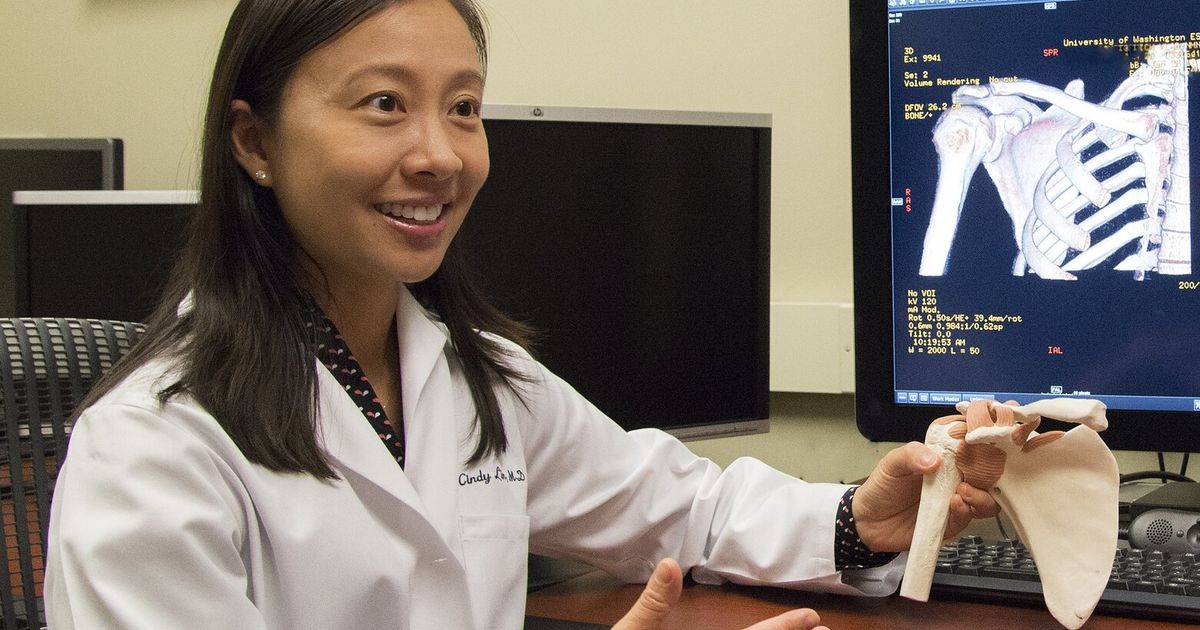
“Even nevertheless physical activity is regarded to be so useful for overall health, it is just sort of forgotten in the well being care program,” reported Dr. Cindy Lin, a UW medical associate professor of sporting activities and backbone drugs and lead author of the paper. “A lot of treatment plans for chronic disorders are targeted on prescribing prescription drugs, however there’s great evidence that physical exercise and way of life improvements can make a enormous variation.”

In the U.S., Lin reported about 53{af0afab2a7197b4b77fcd3bf971aba285b2cb7aa14e17a071e3a1bf5ccadd6db} of older people fulfill countrywide physical action recommendations, or observe reasonable workout at minimum 150 minutes for each 7 days as encouraged by the U.S. Department of Wellness and Human Sciences. Only about 23{af0afab2a7197b4b77fcd3bf971aba285b2cb7aa14e17a071e3a1bf5ccadd6db} fulfill rules for each cardio and muscle mass strengthening — a figure that’s worsened for the duration of the pandemic as commute situations shrank for lots of and existence grew far more sedentary, she mentioned.

Of the virtually 24,000 sufferers surveyed in the UW Drugs analyze, all those who have been considered adequately lively, about 37.4{af0afab2a7197b4b77fcd3bf971aba285b2cb7aa14e17a071e3a1bf5ccadd6db} of the team, confronted about 34 much less unexpected emergency room visits, 19 less hospital admissions and 38 fewer major-treatment visits for every 1,000 client-several years (client-yrs are often made use of in clinical research and stand for the total merged selection of many years all people were followed).

If inactive patients, about 28.5{af0afab2a7197b4b77fcd3bf971aba285b2cb7aa14e17a071e3a1bf5ccadd6db} of the team, ended up to strike national bodily exercise rules, scientists estimated ER fees would shrink by far more than $34,000 for each 1,000 affected individual-several years, assuming each individual average check out exceeds $1,000.

The staff utilized a system referred to as the Bodily Action Important Sign, or PAVS, which asks people how frequently they follow “moderately strenuous” training (like a brisk stroll) and for how extended. The program can be embedded into electronic health data, serving to medical teams much better realize how physically lively an individual is, Lin reported.

The pattern remained consistent even when researchers controlled for patients’ sexual intercourse, race/ethnicity and entire body mass index. For people who ended up more mature or experienced fundamental professional medical problems, the association was even much better concerning greater actual physical exercise and much less overall health care visits, she extra.

There are other aspects that effects how bodily lively a particular person is — together with socioeconomic standing, exactly where they reside, ability stage and work flexibility, amid other matters — nevertheless identifying why or why not a man or woman could seek out a overall health care go to is additional tough and would call for additional exploration, Lin stated.

“We simply cannot change people’s age or earlier medical heritage,” she explained. “But bodily exercise is some thing we can improve. Our wellbeing treatment units are quite great at dealing with men and women once they have a issue, but what we’re acquiring is even if folks do tiny amounts of actual physical action at property, like breaking up prolonged sitting down time or heading for a wander following evening meal, that all provides up.”

UW Drugs began using PAVS via a pilot software several yrs ago, while other health care units, like Kaiser Permanente, have executed the method to far more often keep track of patients’ actual physical action, Lin said.

“[There’s] a misunderstanding of what bodily exercise implies,” she stated. “Historically, this means you have to go to a health and fitness center for 30 minutes many situations a 7 days for it to depend as a exercise routine. But more investigation has been coming out a short while ago that displays even 5 to 10 minutes of conditioning or motion breaks display significant well being impacts. Each and every motion counts.”

At The Athletics Institute at UW Medication, where by Lin is the affiliate director of scientific innovation, staffers supply a large-ranging list of possible physical actions to incorporate into people’s every day life, which include these that are free of charge and can be carried out at dwelling.

If your career retains you at property in entrance of a pc, get up every so frequently and stroll all around, Lin explained. Functions like wall sits, chair dips and desk pushups can be done at house, far too, in accordance to The Sports activities Institute web page. The institute also instructed people look into cost-free health apps, like FitOn or Johnson & Johnson’s Official 7 Moment Training app.

“We want to make it simpler for folks, she said. “And make sure we’re not just giving folks capsules for health care disorders, but also conversing about physical action and prescribing it.”

Teacher Education Supports Literacy Initiatives | College of Education, Health, and Human Sciences

Across the U.S, states and college districts are applying Science of Reading through (SoR), a science-primarily based, interdisciplinary approach to literacy instruction drawing from two many years of investigation into how small children discover to read. In 2021, Nebraska revised the English Language Arts (ELA) requirements to integrate SoR, and Omaha-location classroom teachers are currently being supported in the rollout by the Instructor Instruction Department (TED).

“Literacy is critical simply because it’s embedded in every thing that we anticipate youngsters to do,” points out Assistant Professor Jennifer Lemke, Ed.D.

“Delivering instruction and possibilities for learners to find out how to browse and how to make feeling of what they are examining will not only reward learners across the content material parts, but in their day to day life. Authentic reading through, producing, listening and speaking prospects will need to be embedded in almost everything we do.”

Dr. Lemke qualified prospects the UNO Literacy Application with a team of Instructor Instruction and Library Science school who perform to incorporate SoR into UNO’s Educator Prep Plan curriculum and graduate coursework. The crew also presents tailored guidance for college districts.

“Dr. Julie Bell and I have been collaborating with Westside Community Educational institutions more than the earlier yr as they seem to undertake a new ELA curriculum. We supplied experienced understanding that examined evidence-based mostly procedures as a result of the lens of Scarborough’s Rope, an SoR framework represented in our new requirements.”

Dr. Lemke continues, “In 2023, UNO will collaborate with Bennington Public Colleges to offer you in-district graduate programs. These courses, taught by district leaders, will improve teachers’ understanding of proof-based mostly literacy practices and provide as a pathway for lecturers to comprehensive an state-of-the-art degree or endorsement.”

A different literacy support for instructors is the yearly Metlink Literacy Convention, a TED-hosted occasion connecting PK-12 academics as a result of proof-based mostly methods. Lecturers from MOEC districts can now attend Metlink for no charge, many thanks to funding from MOEC director, Martha Bruckner, Ed.D.

“We have been intentional in generating confident the breakout sessions and keynote speaker for the Metlink conferences replicate literacy happenings on the condition amount and supply academics with information and applicable techniques to put into action in the classroom,” claimed Dr. Lemke.

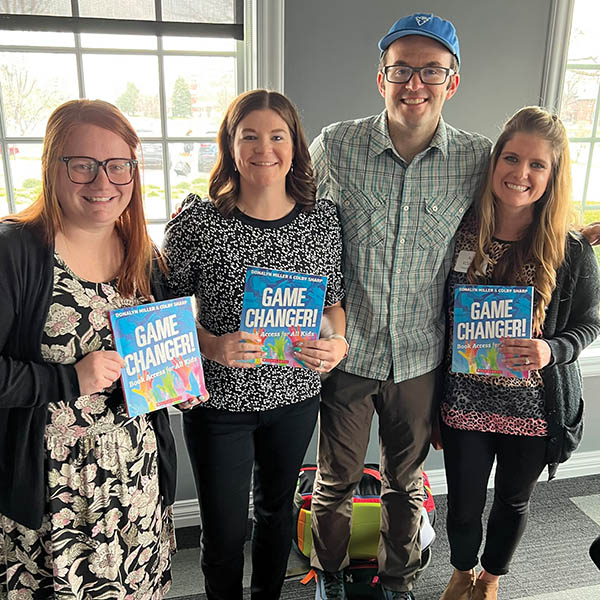
At the spring meeting, the keynote speaker was Colby Sharp, a 5th quality trainer, creator, and nationwide speaker with a system of aiding children come across determination to go through and drop in really like with looking at.

Colby Sharp at Metlink

Keynote Speaker Colby Sharp with contributors at Metlink

“Figuring out how essential each the ability and will to creating lifelong viewers is, we target on both of those in our literacy software at UNO,” mentioned Dr. Lemke.

The audience agreed. “This convention served me get enthusiastic about training looking at again,” mentioned one Metlink participant. “I still left experience determined to consider to get my students to Love studying in the future five weeks.”


This tale appeared in the most current problem of the College of Instruction, Health, and Human Sciences Yearly Report.

Association between physical activity, sedentary time, and physical fitness of female college students in China | BMC Women’s Health

  • Caspersen CJ, Powell KE, Christenson GM. Physical activity, exercise, and physical fitness: definitions and distinctions for health-related research. Public Health Rep. 1985;100:126–31.

    CAS 

    Google Scholar
     

  • Pate RR. The evolving definition of sedentary. Exerc Sport Sci Rev. 2008;36:173–8.

    Article 

    Google Scholar
     

  • World Health Organization. WHO guidelines on physical activity and sedentary behaviour. 2020. https://www.who.int/publications-detail-redirect/9789240015128. Accessed 20 Apr 2020.

  • Guthold R, Stevens GA, Riley LM, Bull FC. Worldwide trends in insufficient physical activity from 2001 to 2016: a pooled analysis of 358 population-based surveys with 1·9 million participants. Lancet Glob Health. 2018;6:e1077-86.

    Article 

    Google Scholar
     

  • Bauman AE, Petersen CB, Blond K, Rangul V, Hardy LL. The descriptive epidemiology of sedentary behaviour. In: Leitzmann MF, Jochem C, Schmid D, editors. Sedentary behaviour epidemiology. Cham: Springer International Publishing; 2018. p. 73–106.

    Chapter 

    Google Scholar
     

  • Ge Y. Association of physical activity, sedentary time, and sleep duration on the health-related quality of life of college students in Northeast China. Health Qual Life Outcomes. 2019;17:1–8.

    Article 
    CAS 

    Google Scholar
     

  • Reed JA. Relationships between physical activity and the proximity of exercise facilities and home exercise equipment used by undergraduate university students. J Am Coll Health. 2005;53:285–90.

    Article 

    Google Scholar
     

  • Högström G, Nordström A, Nordström P. Aerobic fitness in late adolescence and the risk of early death: a prospective cohort study of 1.3 million swedish men. Int J Epidemiol. 2016;45:1159–68.

    Article 

    Google Scholar
     

  • Ortega FB, Ruiz JR, Castillo MJ, Sjöström M. Physical fitness in childhood and adolescence: a powerful marker of health. Int J Obes. 2008;32:1–11.

    Article 
    CAS 

    Google Scholar
     

  • Caputo J, Simon RW. Physical limitation and emotional well-being. J Health Soc Behav. 2013;54:241–57.

    Article 

    Google Scholar
     

  • Ortega FB, Silventoinen K, Tynelius P, Rasmussen F. Muscular strength in male adolescents and premature death: cohort study of one million participants. BMJ. 2012;345(nov20 3):e7279-9.

    Article 

    Google Scholar
     

  • Torrijos-Niño C, Martínez-Vizcaíno V, Pardo-Guijarro MJ, García-Prieto JC, Arias-Palencia NM, Sánchez-López M. Physical fitness, obesity, and academic achievement in schoolchildren. J Pediatr. 2014;165:104–9.

    Article 

    Google Scholar
     

  • Welk GJ, Going SB, Morrow JR, Meredith MD. Development of new criterion-referenced fitness standards in the FITNESSGRAM® program. Am J Prev Med. 2011;41:63–7.

    Article 

    Google Scholar
     

  • Tomkinson GR, Olds TS, Borms J. Who are the Eurofittest? Pediatr Fit. 2007;50:104–28.

    Article 

    Google Scholar
     

  • Ministry of Education of China. Notice of the Ministry of Education on the Issuance of the National Physical Fitness Standards for Students. (2014 Revision)—Government Portal of the Ministry of Education of the People’s Republic of China. http://www.moe.gov.cn/s78/A17/twys_left/moe_938/moe_792/s3273/201407/t20140708_171692.html. Accessed 29 Apr 2022.

  • Colley R, Clarke J, Janssen I, Doyon CY, Lang JJ, Tremblay MS, et al. Trends in physical fitness among canadian children and youth. Health Rep. 2019;30:3–13.


    Google Scholar
     

  • Zhang Y, He L. Dynamic analysis of physical health status of Chinese adolescents–based on four times of national physical health monitoring data from 2000–2014. China Youth Res. 2016;06:5–12.

  • Blair SN. Physical activity, physical fitness, and health. In: Rogozkin VA, Maughan R, editors. Current research in sports sciences: an international perspective. Boston: Springer US; 1996. p. 225–41.

    Chapter 

    Google Scholar
     

  • Larouche R, Boyer C, Tremblay MS, Longmuir PE. Physical fitness, motor skill, and physical activity relationships in grade 4 to 6 children. Appl Physiol Nutr Metab. 2014;39:553–9.

    Article 

    Google Scholar
     

  • Lepp A, Barkley JE, Sanders GJ, Rebold M, Gates P. The relationship between cell phone use, physical and sedentary activity, and cardiorespiratory fitness in a sample of U.S. college students. Int J Behav Nutr Phys Act. 2013;10:79.

    Article 

    Google Scholar
     

  • Sackett SC, Edwards ES. Relationships among motor skill, perceived self-competence, fitness, and physical activity in young adults. Hum Mov Sci. 2019;66:209–19.

    Article 

    Google Scholar
     

  • Kidokoro T, Tanaka H, Naoi K, Ueno K, Yanaoka T, Kashiwabara K, et al. Sex-specific associations of moderate and vigorous physical activity with physical fitness in adolescents. Eur J Sport Sci. 2016;16:1159–66.

    Article 
    CAS 

    Google Scholar
     

  • Post EM, Coe DP, Fitzhugh EC, Fairbrother JT. Associations among perceived motor competence, motor competence, physical activity, and health-related physical fitness of children ages 10–15 years old. Med Sci Sports Exerc. 2016;49:6.

    Article 

    Google Scholar
     

  • Breau B, Brandes B, Wright MN, Buck C, Vallis LA, Brandes M. Association of individual motor abilities and accelerometer-derived physical activity measures in preschool-aged children. J Meas Phys Behav. 2021;4:227–35.

    Article 

    Google Scholar
     

  • Denton S, Trenell M, Plotz T, Savory L, Bailey D, Kerr C. Cardiorespiratory fitness is associated with hard and light intensity physical activity but not time spent sedentary in 10–14 year old schoolchildren: the HAPPY study. PLoS ONE. 2013;8:e61073.

    Article 
    CAS 

    Google Scholar
     

  • Dong X, Ding L, Zhang R, Ding M, Wang B, Yi X. Physical activity, screen-based sedentary behavior and physical fitness in Chinese adolescents: a cross-sectional study. Front Pediatr. 2021;9:722079.

  • Wang J. The association between physical fitness and physical activity among Chinese college students. J Am Coll Health. 2019;67:602–9.

    Article 

    Google Scholar
     

  • Huang X, Zeng N, Ye S. Associations of sedentary behavior with physical fitness and academic performance among Chinese students aged X 19 years. IJERPH. 2019;16:4494.

    Article 

    Google Scholar
     

  • Macfarlane DJ, Lee CCY, Ho EYK, Chan KL, Chan DTS. Reliability and validity of the Chinese version of IPAQ (short, last 7 days). J Sci Med Sport. 2007;10:45–51.

    Article 

    Google Scholar
     

  • Gao H, Li X, Zi Y, Mu X, Fu M, Mo T, et al. Reliability and validity of common subjective instruments in assessing physical activity and sedentary behaviour in Chinese college students. IJERPH. 2022;19:8379.

    Article 

    Google Scholar
     

  • IPAQ Research Committee. Guidelines for data processing and analysis of the International Physical Activity Questionnaire (IPAQ)-short and long forms. http://www.Iraq.ki.se/scoring.pdf. 2005. Accessed 1 Sep 2022.

  • Marques A, Santos R, Ekelund U, Sardinha LB. Association between physical activity, sedentary time, and healthy fitness in youth. Med Sci Sports Exerc. 2015;47:575–80.

    Article 

    Google Scholar
     

  • Yi X, Fu Y, Burns RD, Bai Y, Zhang P. Body mass index and physical fitness among Chinese adolescents from Shandong Province: a cross-sectional study. BMC Public Health. 2019;19:81.

    Article 

    Google Scholar
     

  • Zhu Z, Yang Y, Kong Z, Zhang Y, Zhuang J. Prevalence of physical fitness in Chinese school-aged children: findings from the 2016 physical activity and fitness in China—the youth study. J Sport Health Sci. 2017;6:395–403.

    Article 

    Google Scholar
     

  • Sang K. A comparative study of differences between Chinese and American family educational approaches. J Educ Theory Manag. 2017;1:26549.

  • Bandura A. Social cognitive theory of personality. In: Cervone D, Shoda Y, editors. The coherence of personality: Social-cognitive bases of consistency, variability, and organization. New York London: The Guilford Press; 1999. p. 185–241.

  • Sheikhbardsiri H, Sheikhasadi H, Mahani SA, Mohamadi MMD. Emotional intelligence and learning strategies of postgraduate students at Kerman University of Medical Sciences in the southeast of Iran. J Educ Health Promotion. 2020;9:66.


    Google Scholar
     

  • Joy S, Kolb DA. Are there cultural differences in learning style? Int J Intercult Relat. 2009;33:69–85.

    Article 

    Google Scholar
     

  • Kalantari H-A, Esmaeilzadeh S. Association between academic achievement and physical status including physical activity, aerobic and muscular fitness tests in adolescent boys. Environ Health Prev Med. 2016;21:27–33.

    Article 

    Google Scholar
     

  • Pellegrino R, Viegi G, Brusasco V, Crapo R, Burgos F, Casaburi R, et al. Interpretative strategies for lung function tests. Eur Respir J. 2005;26:948–68.

    Article 
    CAS 

    Google Scholar
     

  • Kaioglou V, Dania A, Kambas A, Venetsanou F. Associations of motor competence, cardiorespiratory fitness, and physical activity: the mediating role of cardiorespiratory fitness. Res Quart Exerc Sport. 2022;1–7. https://doi.org/10.1080/02701367.2021.1991559.

  • Prioreschi A, Brage S, Westgate K, Norris SA, Micklesfield LK. Cardiorespiratory fitness levels and associations with physical activity and body composition in young South African adults from Soweto. BMC Public Health. 2017;17:1–8.

    Article 

    Google Scholar
     

  • Leppänen MH, Nyström CD, Henriksson P, Pomeroy J, Ruiz JR, Ortega FB, et al. Physical activity intensity, sedentary behavior, body composition and physical fitness in 4-year-old children: results from the ministop trial. Int J Obes. 2016;40:1126–33.

    Article 

    Google Scholar
     

  • Ji L, Yin X, Wu H, Yang X, Liu Y. Exploratory study on the evaluation criteria of physical fitness of children and adolescents in China in the context of “integration of physical education”. Sports Sci. 2021;41:42–54.


    Google Scholar
     

  • Wells KF, Dillon EK. The sit and reach—a test of back and leg flexibility. Res Quart Am Assoc Health Phys Edu Recreat. 1952;23:115–8.


    Google Scholar
     

  • Tucker JS, Martin SB, Jackson AW, James R, JrM, Greenleaf CA, Petrie TA. Relations between sedentary behavior and FITNESSGRAM healthy fitness zone achievement and physical activity. J Phys Act Health. 2014;11:1006–11.

    Article 

    Google Scholar
     

  • Silva-Batista C, Urso RP, Lima Silva AE, Bertuzzi R. Associations between fitness tests and the international physical activity questionnaire—short form in healthy men. J Strength Cond Res. 2013;27:3481–7.

    Article 

    Google Scholar
     

  • Bames J. Letter to the editor: standardized use of the terms” sedentary” and” sedentary behaviours”. Appl Physiol Nutr Metab. 2012;37:540–2.

    Article 

    Google Scholar
     

  • Miguel-Berges ML, Reilly JJ, Aznar LAM, Jiménez-Pavón D. Associations between pedometer-determined physical activity and adiposity in children and adolescents: systematic review. Clin J Sport Med. 2018;28:64–75.

    Article 

    Google Scholar
     

  • Jaakkola T, Huhtiniemi M, Salin K, Seppälä S, Lahti J, Hakonen H, et al. Motor competence, perceived physical competence, physical fitness, and physical activity within finnish children. Scand J Med Sci Sports. 2019;29:1013–21.


    Google Scholar
     

  • Collings PJ, Westgate K, Väistö J, Wijndaele K, Atkin AJ, Haapala EA, et al. Cross-sectional associations of objectively-measured physical activity and sedentary time with body composition and cardiorespiratory fitness in mid-childhood: the PANIC study. Sports Med. 2017;47:769–80.

    Article 

    Google Scholar
     

  • Larouche R, Saunders T, Faulkner G, Colley R, Tremblay M. Associations between active school transport and physical activity, body composition, and cardiovascular fitness: a systematic review of 68 studies. J Phys Activity Health. 2014;11:206–27.

    Article 

    Google Scholar
     

  • Chagas D, Batista V. Interrelationships among motor coordination, body fat percentage, and physical activity in adolescent girls. Hum Mov. 2015;16:4–8.


    Google Scholar
     

  • Rhodes RE, Blanchard CM, Blacklock RE. Do physical activity beliefs differ by age and gender? J Sport Exerc Psychol. 2008;30:412–23.

    Article 

    Google Scholar
     

  • Netz Y, Raviv S. Age differences in motivational orientation toward physical activity: an application of social—cognitive theory. J Psychol. 2004;138:35–48.

    Article 

    Google Scholar
     

  • Heidarijamebozorgi M, Jafari H, Sadeghi R, Sheikhbardsiri H, Kargar M, Gharaghani MA. The prevalence of depression, anxiety, and stress among nurses during the coronavirus disease 2019: a comparison between nurses in the frontline and the second line of care delivery. Nurs Midwifery Stud. 2021;10:188.


    Google Scholar