When the coronavirus pandemic hit the United States in 2020, some predicted that many schools would embrace online education not just as a short-term remedy to the closing of campuses but as a longer-term strategy to draw in more students. This post looks at what happened with that thinking with selective colleges and explains why it is time to ye about reinventing them.
It was written by Jake Weissbourd and his father, Rick Weissbourd. Jake Weissbourd is a consultant on higher education strategy who works with Verto Education, which offers overseas opportunities for first-year college students; Outlier.org, which offers affordable and career-aligned online courses and degrees; and College 101, an advocacy organization focused on innovation and accountability in higher education. He is also a founder of the Future of Higher Ed, a professional community in which more than 1,000 leaders across the sector share ideas and exchange feedback on building a more innovative and effective higher education system.
Rick Weissbourd is a child and family psychologist on the faculty of Harvard Graduate School of Education and the Kennedy School of Government whose work focuses on moral development, the nature of hope, vulnerability and resilience in childhood, parenting and effective schools and services for children. He leads an initiative to reform college admissions called Turning the Tide, which has engaged more than 300 college admissions offices in an effort to elevate ethical character, reduce excessive achievement pressure and increase equity and access in the college admissions process.
College enrollment declines for third straight year since pandemic
By Jake Weissbourd and Rick Weissbourd
Faced with a global pandemic, selective colleges — colleges that accept fewer than half of their applicants — made changes in 2020 that they wouldn’t have dreamed of implementing before. They invested heavily in online and hybrid learning, new teaching strategies and cutting-edge technologies in ways they had strongly resisted.
These changes did more than address a crisis; they created new capabilities and expertise. They accelerated opportunities to better educate more — and more-diverse — students. And they revealed that even the most hidebound colleges can pivot quickly.
Yet, the large majority of selective colleges have sped back to normal, and highly selective colleges continue to reject staggering numbers of qualified students. Applicants found it even harder to squeeze themselves into these colleges this year. For the Class of 2026, Harvard University, for example, accepted 3.19 percent of its applicants, Columbia University 3.7 percent, and Princeton University 4 percent. Selective colleges remain wildly inequitable and inaccessible to huge numbers of students. At 38 selective colleges in the United States, there are more students from the top 1 percent of the income spectrum than the bottom 60 percent.
In 2020, New York University Business School professor Scott Galloway famously predicted that elite universities would partner with big tech to scale enrollment. Now, he says, “I was wrong. The highly selective colleges are doubling down on exclusivity.”
But why not move forward, not back? Now is a time that begs for courageous invention, a time to build on innovations created before and during the pandemic. Selective colleges can become far more versatile, expanding and diversifying enrollment by providing multiple, more affordable routes to a college degree.
Fully online degrees are one way of expanding. But what is likely to be far more attractive to a wide range of students are new, varied combinations of traditional campus learning, remote learning, innovative lower-cost campuses and community experiences and the types of exciting public or private-sector internships that universities such as Northeastern University provide. These options would enable more students to build an educational experience that is affordable and accommodates their needs. And these options not only would open doors for low-income students and reduce the brutal competition for seats, they could also enrich learning and better prepare students both for citizenship and modern jobs.
Why are we focusing just on selective colleges? After all, only 3 percent of students attend colleges that accept fewer than 25 percent of their applicants, and only 20 percent attend colleges that accept fewer than 50 percent of applicants. What’s more, almost two-thirds of Americans don’t graduate from four-year colleges. Yes, we urgently need more affordable degree options at many types of colleges, as well as less expensive, non-college pathways to careers for young people, such as skills boot camps and apprenticeships created by employers. But selective colleges are a critical portal for low-income students, especially into key leadership positions across a wide range of fields. And changes in these colleges often influence a broad array of colleges and universities.
America’s student loan crisis stems from a war on education as a public good
What would more versatile colleges that address these problems look like? Here are a few promising options that far more colleges could take up and combine:
Adding online degree programs
One option is for colleges to reduce costs for students, increase access for underrepresented students and bolster enrollment by offering largely or fully online bachelor’s degree programs, as colleges including Southern New Hampshire, Arizona State University and Purdue University have done while maintaining their traditional campuses. Some colleges also offer fully online master’s degrees in, for example, business, public health and education. These options tend to save costs for students because students can often live at home and maintain jobs in their communities. Aware of these advantages for students and already heavily invested in online learning because of the pandemic, the Harvard Graduate School of Education, where one of us works, launched a fully online degree option for full- and part-time students in the summer of 2020. In six weeks, this program attracted 50 percent more applicants, and considerably more experienced and diverse applicants, than typically apply in the standard admissions cycle for an on-campus experience.
To be sure, a big part of the value of the college experience comes from routine face-to-face contact among professors and students in classrooms and on campuses. Yet, many students simply can’t relocate to a college campus. That number includes students with family obligations — such as caring for sick or elderly relatives or younger siblings — some students with disabilities and soaring numbers of adult learners, many of whom are parents. Ultimately, meaningful equity of opportunity in education will require that colleges become far more organized around these students. As Alex Hernandez, who recently left his post as the dean of continuing and professional education at University of Virginia, put it: “We can’t keep expecting people to come to us. To prioritize public access and equity, we also have to go to them. In UVA’s early days, faculty members would load books in covered wagons and take them to families across the commonwealth. There is so much value in that approach.”
Of course, without the right design or investment in both student support and faculty preparation, online courses can be dismal. But various studies indicate that online learning on balance is as effective as in-person learning. Many different types of learners benefit from the rich interactivity of online learning, including live chat, polls, breakout rooms, educational games, rapid feedback and access to guest speakers. And new technologies are in development, including game-based and immersive experiences, and augmented and artificial reality, that may markedly improve online learning outcomes.
Taking only online courses for long periods, though — even when these courses are high quality — is isolating and life-sapping for many students. Most students from all backgrounds, particularly undergraduate students, are more likely to be drawn to options that don’t rely solely on remote learning but that provide a variety of remote and in-person learning options that they can mix.
While taking online courses, an engineering student could, say, do a paid internship at Google; or a student studying hotel management could intern at a hotel, gaining the kind of field experience that employers increasingly prize. A student could work on a local election or do a year of service, receiving some form of compensation from the government or a nonprofit. A recent University of Michigan graduate told us that he is now a fan of online learning because it enabled him to start a job as a baseball scout while still taking courses. Students might also take classes from home for a semester or a year if they have family obligations, or they might take some classes online and some in person to accommodate their work schedules. And online students could still maintain ties to a campus. Online students might attend on-campus institutes several times a year, taking full-day workshops and classes, say, over four days. A far wider array of such options would reduce costs for students and enable higher enrollment by freeing up space on traditional campuses.
Students appear to both appreciate and benefit from having these options. A recentsurvey indicates that 68 percent of students are interested in taking a combination of in-person and online courses. Most on-campus students at Arizona State University opt to take at least one course online. According to Philip Regier, the university dean of educational initiatives at ASU: “Students prefer and they’re likely to do better academically if they can take courses when they want, where they want and in the mode they want.” As Bharat Anand, the vice provost for Advances in Learning at Harvard, put it: “The reality is that both in-person and online classes have advantages. We should be asking how we can best integrate residential and virtual learning to meet the needs of all students.”
Colleges could also reduce costs for students by allowing students to take online courses while living in less expensive campuses domestically or abroad. That’s the model at Minerva University, a selective private college, started in 2012, that is entirely online-learning. Students take remote classes while living alongside peers in seven cities around the world. The founder, Ben Nelson, says Minerva doesn’t compete in the campus amenities race — no fancy libraries, cafeterias or expensive sports programs — and instead leverages the cities where students live to bring costs down. For example, Minerva students cook for themselves in shared kitchens and use gyms and libraries in their host cities.
Rural universities, already few and far between, are cutting majors
There are also creative ways to provide more seats on campuses without relying on remote learning. While a handful of selective colleges, including Rice and Yale universities, have built additional housing, selective colleges can also expand by adjusting their academic calendar. They could free up space on campus by, for example, allowing students to graduate in three years by taking summer courses. Selective colleges could also create more on-campus space by supporting more students in studying abroad, including during their freshman year. Through in-person course work, hands-on projects with faculty, engagement with local communities and regular reflection, students enter their second year of college with stronger learning skills, clearer direction and global experience.
Will selective colleges resist these innovations? Absolutely. Online courses are often expensive to mount, and support for students taking them is costly. Administrators we spoke with also anticipate resistance from many faculty members, alumni and trustees who treasure a traditional four-year college experience that has been central to their identity.
Yet, selective colleges can recoup the costs of developing online courses over time with increasing numbers of students. Colleges could also reduce their expenses — and lower tuition — by offering at least a few high-quality, low-cost online courses elsewhere. One of Harvard’s most popular classes, a primarily online computer science course, has enrolled more than 2 million students around the world free on edX, and is available for credit for Yale University students. Why shouldn’t an outstanding online political science or economics course from City University of New York or Ohio State University be available for credit for students from selective colleges or any other type of college?
For every individual faculty member who resists change, there may be just as many who are committed to meaningful equity or will welcome the flexibility of remote teaching, including being able to teach at home or from anywhere in the world.
The biggest rub for particularly the 80 highly selective colleges that accept fewer than a quarter of their applicants may be something else entirely. They’ll fear brand dilution if they enroll more students. They’ve relied partly on a scarcity model to convey their value, obtaining status from how few students they admit, and many college trustees, administrators, alums and faculty members covet that exclusivity.
Shifting from a brand built on exclusivity to one built on reach and impact certainly won’t be easy. Yet, it may be that admitting more students won’t hurt many colleges’ brands. It hasn’t hurt the University of Michigan’s brand that it has increased undergraduate enrollment almost every year since 1960, more than doubling undergraduate enrollment during this time. There is, too, a compelling ethical case for gaining status not from how few students you admit, but from a far more democratic and constructive metric — how many students you educate, and how well.
How to get from here to there? Catharine Hill, an economist and a former president of Vassar College, said colleges may be pushed to expand because their exclusivity is generating escalating public hostility heightened by the fact that they receive large amounts of public money in public grants, tax exemptions and incentives for charitable contributions. It would make sense for these schools to get ahead of public policies that are likely to force them to expand in ways they’re determined to avoid, she said.
Selective colleges could start small, piloting new programs with small numbers of students, and success may become contagious. Galloway suggests that large donors could tie their gifts to expansion. Employers might also incentivize colleges by subsidizing internships and online courses. Selective colleges could simply encourage more students to study abroad, freeing up substantial space for additional enrollment on campus. These colleges could also generate goodwill, particularly in the aftermath of the pandemic, by raising funds to subsidize tuition for students who do public service for a year.
The time is ripe to reinvent selective colleges.
Correction: Fixing spelling of Columbia University.
Curious about which books Seattle’s insatiable readers turned to in 2022? Need a little inspiration for that 2023 book list?
The most popular fiction book checked out from The Seattle Public Library from January through November 2022 was “The Sentence,” by Louise Erdrich. It’s a novel about a Minneapolis bookstore haunting and much more set in 2020, a “year of grief, astonishment, isolation, and furious reckoning.” The most checked out e-novel was “The House of Broken Angels,” by renowned Mexican-American author Luis Alberto Urrea, the selection for the Library’s 2022 Seattle Reads program. Seattle’s community of e-audiobook listeners checked out “Braiding Sweetgrass,” read by author Robin Wall Kimmerer, more than any other e-audiobook.
Several books by Northwest authors also ranked high in popularity in 2022, including “Secret Seattle,” by Library staff member Susanna Ryan; “Red Paint,” by Coast Salish author Sasha LaPointe; The Final Case, by David Guterson; and “Grains for every Season,” by Oregon chef Joshua McFadden (with Martha Holmberg).
Here are the other most popular fiction and nonfiction books, e-books and e-audiobooks among Library patrons last year. Please note that these lists were compiled from anonymous checkout data collected from Jan. 1 through Nov. 30, 2022.
Anxious People, by Fredrik Bachman (read by Marin Ireland)
MORE INFORMATION
Statistical summaries of the Library’s collections and circulation for the full year will be posted in the 2022 Impact Report in early 2023 at spl.org/impact.
Contact the Library’s Ask Us service by phone at 206-386-4636 or by email or chat at www.spl.org/Ask. Staff are ready to answer questions and direct people to helpful resources and information.
We rank the best online PhD nursing degree programs.
Key Takeaways
Earning a DNP online, will enhance your health systems leadership capabilities and help you with career advancement, higher salaries, and marketability.
PhD and DNP programs are different. PhDs are clinical doctorate degrees intended for advanced practice nurses, while DNPs emphasizes research to promote the science underlying nursing practice.
When choosing between PhD and DNP programs, always consider your schedule and objectives. Online PhD programs take longer time to complete compared to online DNP programs.
The Basics of PhD of Nursing and DNP Degree Programs
Terminal degrees, the highest level of education professionals can obtain in their academic careers, vary from field to field. For nurses, there are two main types of terminal degrees to choose from: Doctor of Philosophy (PhD) of Nursing or Doctor of Nursing Practice programs (DNP).
A doctoral education in nursing will help you enhance your knowledge and skills learned at the master’s level. An advanced degree will help you advance your career, salary increase, and marketability.
While professional degrees are not the only ways to improve your knowledge and career—there are also certifications—the American Association of Colleges of Nursing (AACN) recommends the former.
Due to the rising demand for professional or advanced nursing practice degrees, several colleges and nursing schools in the nation are now offering them. And because most students seeking terminal degrees are already working in the field and have tight schedules, plenty of colleges have adopted online learning.
However, the time it takes to earn a professional degree, job outlooks, and career prospects vary. It would be best if you chose one compatible with your schedule and goals to get the most out of the program.
What are the differences between nursing PhD and DNP programs?
Some people often think that because PhDs in Nursing and DNP programs are both terminal degrees in nursing, they’re automatically the same. However, that’s not the case.
If you’re confused about which doctoral degree to pursue, gathering information about the two programs will help you make an informed decision. A Doctor of Nursing Practice program is a practice doctorate, whereas a PhD in nursing is a research doctorate.
PhDs in Nursing are designed for nursing leaders who want to pursue professions in scientific research. Students receive training in conducting nursing research, managing research teams, developing theory, adding to the body of knowledge in the nursing and health sciences, and disseminating research results via academic publications, talks, and teaching.
Along the healthcare continuum, DNP programs prepare nurse practitioners for nursing leadership and administration jobs in both clinical and non-clinical settings. Students learn how to analyze and interpret research for use in nursing practice.
Students carry out a research project and answer challenges using evidence-based practice. These initiatives focus on compliance, performance, or quality improvement.
Admission Requirements
Admission for online PhD of nursing and Doctor of Nursing Practice programs are almost identical. Common admission requirements for both degrees include the following:
Unencumbered RN license.
BSN and master’s degree in nursing or health-related fields from accredited institutions with a 3.0 GPA or higher on a 4.0 scale.
Some schools only accept students with work experience.
GRE or GMAT scores.
What should I expect when earning an online doctorate in nursing?
There are numerous components to earning your online DNP or PhD in nursing.
Curriculum and Coursework
The curriculum and coursework for your PhD in nursing or DNP may vary depending on whether you choose a specialty or concentration. Typically, coursework will include classes focusing on research and evidence-based study, as well as hands-on learning.
Common courses may include these subjects:
Biomedical Informatics
Principles of Epidemiology
Advanced Nursing Science for the DNP, Family Theory
Pharmacology for Nursing Care
Leadership and Management in Professional Nursing Practice
Length
Depending on your requirements, goals, and choices, several things could cause you to complete your degree sooner or later. An online Doctor of Nursing Practice degree can take two to three years. On the other hand, most PhD nursing degrees take roughly three to eight years to earn.
Are online doctorates in nursing legit?
Accredited online nursing programs are legit. The CCNE Commission on Collegiate Nursing Education of the AACN-American Association of Colleges of Nursing is the primary accrediting agency for universities and institutions offering DNP-Doctor of Nursing Practice and PhD-Doctor of Philosophy in Nursing programs.
The CCNE’s mission is to serve the public interest by evaluating and identifying initiatives that offer efficient instructional methods.
For particular specialties and concentrations, there are numerous different accreditations. These accreditors include, but are not limited to, the following:
Competencies for Nurse Educators from the National League for Nursing
What jobs are available for PhD and DNP graduates?
Nurses with a PhD are prepared for careers centered on creating novel information and products and promoting nursing science through a research-based approach. Many nurses who hold a PhD go on to work as instructors or researchers in higher education institutes.
DNP programs, on the other hand, are grounded in clinical practice, and graduates typically adopt a more hands-on approach to nursing.
Graduates are prepared for a wide range of occupations, such as policy management or administrative positions at clinical care facilities, executive positions like chief nursing officer or hospital CEO, leadership positions in nursing faculties, and academic positions in higher education institutions.
When it comes to particular clinical positions, having a DNP may now replace the master’s degree as the minimum need for nurse practitioner (NP) roles, according to organizations like the AACN and the NONPF-National Organization of Nurse Practitioner Faculties.
What factors must be considered when choosing online PhD and DNP programs?
Finding the school that best suits your needs can be challenging with the range of online nursing doctorates currently offered. Here are some guidelines for selecting an online PhD or DNP program:
Accreditation
Accreditation status is one of the most crucial factors for students seeking an online degree. The transferability of course credits and a student’s eligibility for federal financial aid are both dependent on a school’s accreditation.
Nursing Specialities
There are many nursing doctorate specializations and subspecialties to take into account. Since many specialties are available, students should look into schools that provide instruction in the areas they want to concentrate on.
Program Length and Schedule
The time required to complete a nursing program can range from three to eight years, depending on the curriculum. Accelerated programs may not be a good option for students who have work or other obligations outside of school.
Long programs, on the other hand, could be problematic for students who are unsure where they will be in a year or two. Make sure you have the time and dedication before pursuing an online nursing doctorate.
Cost
When selecting an online degree program, students should give the expense of their education much thought. The cost of tuition is higher for out-of-state students than for in-state students.
Fortunately, several online universities have a set tuition payment for both in-state and out-of-state online students.
One of the top schools offering the best online degree programs is Baylor University, with the motto “Learn. Lead. Serve.” Online degree programs from Baylor provide the high academic training and Christian education students need to succeed.
The school’s programs offer flexible educational choices supported by more than 175 years of experience. The online programs are made up of top-notch students and are overseen by talented teachers. They demand field and project work and well-planned immersions.
One of the best online degrees offered at Baylor University is the online Doctor of Nursing Practice accredited by the CCNE from the School of Nursing.
The program offers several concentrations:
Executive Nurse Leadership
Family Nurse Practitioner
Neonatal Nurse Practitioner
Nurse-Midwifery
Pediatric Nurse Practitioner Track
Adult-Gerontology Acute Care Nurse Practitioner
Online students will have an academic advisor to help them choose concentration and courses.
Required Credits: 75
Completion time: 3 years
Format: Hybrid (online courses with clinical rotations)
What we love about Baylor University:
The Christian foundation of much of the coursework at Baylor was something we found appealing. Additionally, the faculty of the nursing program is known to be very supportive of student success.
Baylor University is great for students who:
Are looking for a nursing education with foundational topics about Christianity
Baylor University might not be the best fit for students who:
Accreditation: Southern Association of Colleges & Schools Commission on Colleges (SACSCOC)
Learn More about Baylor University.
Duke University
Duke University has been long known for being one of the finest institutions in the south, thanks to its competitive admissions, championship-level athletics, global presence, and excellent academics.
Despite its competitive admissions, Duke is tagged as a “safe school” for students aiming to get into a more prestigious Ivy League school. Today, Duke has become more prevalent in online learning.
One of the best online offerings at Duke University is the online Doctor of Nursing Practice (DNP) accredited by the CCNE and designed for post-BSN students seeking terminal degrees.
This online DNP program offers a robust curriculum with classes delivered by top academics. Students must complete a four-semester-long academic DNP project that addresses an issue affecting patient groups, healthcare organizations, or healthcare systems.
The university’s status as a “work hard, play hard” school. Even though everyone is a good student, there is a genuine “work-together” attitude and a beautiful balance between homework and fun.
Duke University is great for students who:
Are interested in learning a new language as Duke University offers language courses regularly or on occasion
Duke University might not be the best fit for students who:
Have low GPAs since Duke is a very competitive university
Accreditation: SACSCOC-Southern Association of Colleges & Schools Commission on Colleges
Learn More about Duke University.
Walden University
Walden University’s history brings about change — what once started as a small school is now known to be one of the most prominent online universities. Online courses at Walden University are taught by academics, professionals, and thought leaders dedicated to offering top-notch, student-focused degree programs.
Walden’s primary goal is to give online students a great education in an enjoyable learning environment that can accommodates busy schedules.
One of the top online degrees at Walden University is the CCNE-accredited online Doctor of Philosophy (PhD) in Nursing. Students can choose one of the five concentration areas: Nursing education, population health, leadership, interdisciplinary health, and healthcare management.
For those students who already have a DNP degree, the PhD program also provides a bridging option.
Required Credits: 81-106 quarter credits
Completion time: 2.5 and eight years can transfer up to 40 credits
Format: Online
What we love about Walden University:
The use of modern teaching methods, interactive simulations, case studies, and robust media to make online lessons lively.
Walden University is great for students who:
Have a tight schedule and cannot attend any on-campus requirement
Walden University might not be the best fit for students who:
Want hands-on learning experience, such as on-campus activities
Accreditation: The Higher Learning Commission (HLC)
Learn More about Walden University.
Florida International University
Florida International University is a top-tier research institution that strongly emphasizes research as a key part of the university’s mission. FIU is far ahead of other universities in its support of the academic and local communities, offering degrees from bachelor’s to doctoral levels both on campus and entirely online.
Nicole Wertheim College of Nursing & Health Sciences is among the numerous colleges, schools, and centers that actively improve the university’s capacity to set new standards through research efforts.
The Nicole Wertheim College of Nursing & Health Sciences offers a CCNE-accredited online Doctor of Nursing Practice. The program accepts students who have obtained a master’s degree or post-certificate master’s in an advanced practice nursing specialty role.
Students learn how to take on leadership responsibilities in healthcare delivery, the fundamentals of leadership, and how to continuously improve their clinical expertise in their area of advanced practice specialization. Psychiatric-Mental Health Nurse Practitioner, Adult-Gerontology, Pediatric, Family Health, and Nurse Anesthetist are the DNP’s specializations.
What we love about Florida International University:
The rigorous curriculum that emphasizes research, allowing nursing students to gain better research skills that could revolutionize healthcare.
Florida International University is great for students who:
Are intellectually competent, want challenging courses, want to be involved in their community, or driven by a particular purpose or passion.
Florida International University might not be the best fit for students who:
Want to attend a small college with a low student-to-faculty ratio. Additionally, individuals who lack open-mindedness and dislike diversity should not enroll at this institution.
Accreditation: SACSCOC-Southern Association of Colleges & Schools Commission on Colleges
Learn More about Florida International University.
George Washington University
George Washington University is situated in the city’s administrative center, which allows the school to offer students a global-impacting education. GW helps students put their knowledge into practice by giving them priceless learning opportunities in online and on-campus classrooms and across the capital region.
Students can benefit from the university’s partnership with the community, businesses ranging from Fortune 500 firms to small start-ups, and study-abroad possibilities worldwide.
One of the top online degrees at George Washington University is the online PhD in Nursing accredited by the CCNE. The program prepares nurses to pose and respond to important inquiries regarding human health. Clinical, educational, and health services-related research is conducted closely with online students by the research faculty. The curriculum combines intensive study weekends on campus with weekly online sessions.
Required Credits: 57
Completion time: Five years
Format: Hybrid
What we love about George Washington University:
Their commitment to the community shown through their volunteer work.
George Washington University is great for students who:
Thrive in a diverse and competitive environment.
George Washington University might not be the best fit for students who:
Are not politically inclined
University Fast Facts
Location: Washington, DC
Institution Type: Private federally chartered research university
Accreditation: Middle States Commission on Higher Education
Learn More about George Washington University.
Hampton University
One of the top historically black institutions in the world, Hampton University in Virginia provides students with a cutting-edge education in business, science, and the liberal arts. It is well known that this “school of tradition, family values, and great education” pushes its students to perform at the very top of their game.
The majority of faculty members hold office hours so students can get more one-on-one help with lecture topics they may need clarification on from experts in their field. Professors are at the top of their fields.
One of the online degrees Hampton Online is famous for is its PhD in Nursing. The program strongly emphasizes family and family-related research. Regardless of their research preferences, all students must complete the same core requirements; however, enrolling in optional and cognate courses allows students to explore their specific interests.
A test for eligibility, a thorough investigation, and an oral dissertation presentation are three doctoral examinations used to gauge the student’s proficiency and scientific knowledge.
Accreditation/s: Commission on Colleges of the Southern Association of Colleges & Schools
Learn More about Hampton University.
Indiana University
Indiana University is the nation’s first school of informatics, the world’s first school of philanthropy, and one of the biggest medical schools. The goal of Indiana University is to develop well-rounded individuals who will succeed both in and outside of the classroom.
This big state university fosters an enjoyable collegiate atmosphere while still pushing students intellectually. The university provides a wide range of research opportunities for graduate and undergraduate students in all disciplines and learning formats. They also have generous financial aid options for students who need them.
IU’s online Doctor of Nursing Practice offers a comprehensive yet flexible curriculum. Graduates are equipped to take on leadership roles in nursing and healthcare, both at the level of systems or organizations and at the level of direct patient care, in areas like First-Line Healthcare, Systems for Complex Healthcare, Healthcare Informatics, Education in Clinical Nursing, and Patient Security.
Among the subjects covered in the coursework are clinical epidemiology and statistics, public health policy, evidence-based research and translation, healthcare outcomes, and nursing informatics.
Required Credits: 37
Completion time: Four years
Format: 80{af0afab2a7197b4b77fcd3bf971aba285b2cb7aa14e17a071e3a1bf5ccadd6db} to 99{af0afab2a7197b4b77fcd3bf971aba285b2cb7aa14e17a071e3a1bf5ccadd6db} Online
What we love about Indiana University:
The affordability provided to all students, including international students. Additionally, the university provides top-ranked academics, outstanding faculty, diverse campus life, and international culture.
Indiana University is great for students who:
Prefer to study in a bigger classroom and attend on-campus activities, such as outreach programs and Greek life.
Indiana University might not be the best fit for students who:
Get intimidated by a vast campus, don’t like to have their worldview challenged, rattled, and reformed, or feel awkward around people from other racial, religious, or cultural backgrounds.
Accreditation: The Higher Learning Commission (HLC)
Learn More about Indiana University.
Johns Hopkins University
Johns Hopkins University is often synonymous with medical study and research in America. Johns Hopkins, established in 1876, is regarded as America’s first modern research university since it was the first to integrate academic programs with ongoing scientific research. The institution is now one of the best in the world. Graduates are swiftly promoted to the pinnacles of their professions.
The CCNE-accredited Doctor of Nursing Practice (DNP) Advanced Practice Track is among the best online DNP programs available. The program was created with the scheduling requirements of full-time clinical nurses in mind and is geared toward the most driven, aspirational students. Despite the program’s need for four on-campus intensives, all coursework is entirely online.
Required Credits: 40
Completion time: 2 years (up to six credits of transfer)
Format: Online
What we love about Johns Hopkins University:
The fulfillment of Gilman’s theory at the university made them the first research university in the country, revolutionizing higher education in America.
Johns Hopkins University is great for students who:
Are eager to learn and actively contribute to have an impact on JHU and the Baltimore community.
Johns Hopkins University might not be the best fit for students who:
Live far away from the university due to its four on-campus intensives.
Accreditation: Middle States Commission on Higher Education
Learn More about Johns Hopkins University.
Ohio State University
Ohio State University is one of the country’s largest and most comprehensive schools, offering 200+ majors, with more than 100 programs and over 1,000 classes online and in a hybrid format. On top of being ranked among the top public institutions in the country and the best in Ohio, Ohio State is also home to one of the best academic medical centers and leading cancer hospital and research facility.
Students who want to focus on Clinical Expert or Nurse Executive programs can do so through Ohio State University’s online Doctor of Nursing Practice program. These programs will improve nursing leadership skills and help students build on their current knowledge. Graduates can expect to practice nursing at the highest level, show leadership potential, and use analytical skills.
Required Credits: 36
Completion time: 2-3 years
Format: Online
What we love about Ohio State University:
The school’s effort to ensure student success by giving them affordable access to relevant industry and research opportunities.
Ohio State University is great for students who:
Thrive in a big school setting.
Ohio State University might not be the best fit for students who:
Cannot learn efficiently in a large class setting as class sizes can range from 5 to more than a hundred students. Anyone struggling with time management or who is easily overwhelmed should not enroll in OSU.
While Texas Christian University is the most prominent higher education institution affiliated with the Christian Church. The university welcomes students of all religions.
Students believe that their school has it all: excellent academics, a motivated student population, fantastic opportunities, and invaluable connections. Students praise the Neeley School of Business and Harris College of Nursing & Health Sciences as standouts among the university’s many outstanding departments and programs.
Texas Christian University offers a fully online BSN to Doctor of Nursing Practice designed to help working students obtain advanced skills and knowledge with flexibility. This is one of the best DNP programs that aims to equip students with the skills necessary to hold clinical leadership positions in healthcare, government, corporate, and academic institutions.
The program allows students to choose one of four concentrations: Family Nurse Practitioner (FNP), Adult-Gerontology Acute Care Nurse Practitioner (AGACNP), Psychiatric Mental Health Nurse Practitioner (PMHNP), or Clinical Nurse Specialist (CNS)(Pediatric Track).
Required Credits: 69
Completion time: 3 years
Format: Online
What we love about Texas Christian University:
The strong connection culture that plays a significant competitive advantage in luring and keeping students. Additionally, the small classrooms at TCU open up tremendous opportunities.
Texas Christian University is great for students who:
Seek to integrate nursing courses with courses primed for building faith.
Texas Christian University might not be the best fit for students who:
Don’t want to take mandatory religion classes and liberal arts courses. Additionally, students who live in North Carolina, Alabama, Iowa, Massachusetts and Maryland are not eligible for the online program.
Accreditation: SACSCOC-Southern Association of Colleges & Schools Commission on Colleges
Learn More about Texas Christian University.
Thomas Edison State University
Thomas Edison State University, a national leader in the assessment of adult learning and a pioneer in the use of educational technologies, provides adult learners with various unique and non-traditional ways to receive a top-notch university education.
Forbes Magazine named Thomas Edison State University as one of the top colleges and universities in the country in the use of technology to create learning opportunities for adults. Additionally, TESU is referred to as “the college that opened the path for flexibility” by The New York Times.
Thomas Edison State University should be at the top of your list if you’re seeking the shortest, most economical online DNP programs known for their high standards of instruction. The CCNE-accredited online Doctor of Nursing Practice at TESU does not require students to complete residency and has zero campus visits, which makes it perfect for working nurses balancing a busy work life.
Healthcare policy, economics, finance, and organizational leadership are the main topics of the curriculum.
Required Credits: 36
Completion time: 18-36 months (can transfer up to 9 doctoral level credits)
Accreditation: Middle States Commission on Higher Education
Learn More about Thomas Edison State University.
University at Buffalo
The University at Buffalo is about options, providing more academic programs per dollar than any other university in the state. With the school’s support in place, students can select from various academic and social activity combinations.
Students boast that UB offers the finest educational value because all its programs are of top caliber. However, one must be self-motivated to succeed because a school with this much to offer will inevitably be enormous, making it simple to skip class and fall through the cracks.
The University of Buffalo’s online CCNE-accredited Doctor of Philosophy (PhD) in Nursing helps students prepare to work as academics, researchers, and leaders in regional, governmental, and international settings.
The online nursing PhD has two-day scheduling, allowing students to hold a job while enrolled. Both a post-BS to PhD track and a post-MS to PhD track are available in the program at the University at Buffalo.
Students are encouraged to join one of the numerous academic teams at the institution that are working to advance fields like nursing practice and health policy.
The diversity and various education opportunities. UB offers over 100+ online degrees and programs that help working students reach their educational goals without compromising their current jobs.
University at Buffalo is great for students who:
Thrive in a diverse and bureaucratic setting.
University at Buffalo might not be the best fit for students who:
Need to constantly interact with their educator in person. This school’s not for you if you value close relationships with your teachers.
Accreditation: Middle States Commission on Higher Education
Learn More about the University at Buffalo.
University of Alabama
A public research university that is a component of the University of Alabama System is University of Alabama at Birmingham (UAB), providing about 160 degree programs leading to bachelor’s, master’s, doctorate, and professional degrees in 12 divisions.
One of the most prominent academic medical systems in the United States, the UAB Health System, is housed at the institution. Carnegie classifies the institution as an “R1: Doctoral Universities: Very High Research Activity” institution.
The College of Continuing Studies at UAB offers a hybrid CCNE-accredited Doctor of Nursing Practice program that educates students on the information and abilities required to hold leadership positions in various health organizations.
The program’s main goal is to produce nurse leaders who can form relationships with organizations to solve gaps in community health care, advocate for underserved and diverse populations, and deliver medical treatment to them. The student is responsible for choosing a site and a qualified clinical advisor for the program’s clinical component.
Required Credits: 40
Completion time: 2-3 years
Format: Hybrid
What we love about University of Alabama:
The excellent combination of educational excellence and a fun social environment.
University of Alabama is great for students who:
Prefer to attend a prestigious institution. Numerous websites that rank colleges rank UAB as the best university in Alabama. The institution is also perfect for students who want to pursue a degree while participating in sports and social events.
University of Alabama might not be the best fit for students who:
Dislike large classrooms and prefer more one-on-one time with their professors.
The University of Arizona combines cutting-edge research with a rich history. The university offers an astonishing 300 majors distributed across 20 colleges (and even more specialized schools within). Students can select from several majors and minors and structure their own education in whatever way they see fit.
Many options are available for current students searching for further help, including Supplemental Instruction sessions, which are extra discussion sections if students want more practice and free tutoring in most entry-level subjects.
For nurses who are prepared to advance their careers, the Doctor of Nursing Practice program at the University of Arizona is a distinctive option that is CCNE accredited and known to be one of the best online DNP programs.
The University of Arizona’s BSN-DNP and MSN-DNP programs use a hybrid approach, where some coursework is completed in a traditional classroom setting, and some material is taught online.
This course is ideal for working professionals who value classroom instruction but require the flexibility offered by online classes.
Required Credits: 37
Completion time: 2.5 years
Format: Hybrid
What we love about University of Arizona:
The strong and sizable alumni network. The school places a high priority on engaging with its students and staying current with student life; this service is extended to graduates as well.
University of Arizona is great for students who:
Love to attend on-campus activities, including workshops, seminars, parties, and extracurricular activities.
University of Arizona might not be the best fit for students who:
Accreditation: Western Association of Schools & Colleges Senior College and University Commission (WSCUC)
Learn More about the University of Arizona.
University of Iowa
The University of Iowa is known to provide online degree programs that meet the needs and expectations of each student. The school recognizes that each student is different, from goals to objectives. In light of this, university teachers collaborate with students to ensure they acquire the abilities, information, and general expertise necessary for success in their chosen fields of study.
Several of the disciplines can be merged to create dual degrees, and the DNP programs are offered online or in a blended format. The program is accredited by the CCNE.
Although the vast majority of DNP courses are accessible online, some do need on-site attendance. For instance, the school only offers on-site instruction for the didactic nurse practitioner courses.
Required Credits: 72 semester hours
Completion time: 3-4 years
Format: Hybrid
What we love about University of Iowa:
The school’s objectives, which includes improving instruction by utilizing technology, such as simulation, and expanding the variety of student-centered learning experiences.
University of Iowa is great for students who:
Want a huge campus with lots of options. The University of Iowa is ideal for those who wish to feel like they are a part of a community where everyone is friendly to other Hawkeyes.
University of Iowa might not be the best fit for students who:
Have no desire for a rigorous education. Iowa is not the place for someone looking for a tiny, all-academic institution.
Delta State University is dedicated to offering high-quality remote learning opportunities with suitable learning technology and format delivery following the accepted best practices and the applicable IHL Policy.
DSU offers degree programs in the baccalaureate, master’s, and doctorate levels. The criteria, prerequisites, and requirements for all distance education (DE) courses are the same as those for their on-campus equivalents.
Delta State University’s CCNE-accredited online Doctor of Nursing Practice is for professionals working in primary care seeking to reinforce their position in the expanding field of advanced practice nursing.
With only a few on-campus visits per semester, Delta State University’s online DNP program can be finished full- or part-time. This DNP program is a cost-effective choice to help you achieve your educational and professional goals since it offers a variety of program options.
In addition to clinical hours, students also complete a mandatory scholarly project as part of their work. Graduates of the DNP program will be prepared to provide high-quality healthcare and be leaders in their field.
Required Credits: 69
Completion time: 3 years
Format: Online
What we love about Delta State University:
The small student-to-teacher ratio and small class sizes that allow students to develop lifelong friendships. The instructors genuinely care about students and want the best for them.
Delta State University is great for students who:
Thrive in small class sizes. DSU is also suitable for students looking to obtain advanced degrees with a liberal arts foundation.
Delta State University might not be the best fit for students who:
Want a vibrant campus life. Delta State University is lighter on Greek life.
Accreditation: SACSCOC-Southern Association of Colleges & Schools Commission on Colleges
Learn More about Delta State University.
University of Central Florida
University of Central Florida is a preeminent research university. With strong components in several fields, including nursing, health, science, and engineering, the university offers academic and research programs that support the economy.
Numerous collaborations that UCF has built with various industries in the central Florida region and beyond offer students first-rate opportunities for research and education. Through co-op and internship programs, these partnerships provide UCF students with real-world learning experiences.
One of the most sought-after degrees in UCF is the CCNE-accredited online Doctor of Philosophy (PhD) in Nursing intended to prepare students for careers as nursing faculty members, executive leaders in healthcare systems, and researchers.
The PhD in nursing program equips nurse academics with a body of knowledge about nursing philosophy, procedures, and research methodologies. Using solid conceptual, methodological, and ethical judgment, the curriculum enables students to contribute to disciplinary and interdisciplinary knowledge in nursing and healthcare.
Required Credits: 63
Completion time: 3-5 years
Format: Online
What we love about University of Central Florida:
The abundant supply of opportunities, from degree majors to job placement.
University of Central Florida is great for students who:
Can compete in large classes. UCF is one of the largest schools in the nation, with a moderately selective admission process.
University of Central Florida might not be the best fit for students who:
Want a personalized learning experience. You might take classes with 200 or more students in a single room and have numerous lecturers who don’t know your name.
Accreditation: SACSCOC-Southern Association of Colleges & Schools Commission on Colleges
Learn about the University of Central Florida.
University of Missouri
With the distinction of being the first public university west of the Mississippi River and one of the only 60 members of the Association of American Universities, the University of Missouri has grown into a massive institution.
Mizzou offers many degree programs, including more than 300 online options. The campus is one of the few US colleges that house a medical school, veterinary medicine college, and law school, giving distance learners several alternatives thanks to its 90 online programs.
The Doctor of Philosophy in Nursing at the University of Missouri stands out among other PhD programs because it is one of the few CCNE-accredited degrees open to nurses and non-nurses. With the exception of a one-week campus stay during the first summer of enrollment and four days on campus each April, students complete most of their education online.
The program length varies based on whether or not students hold a BA or MS degree and can finish it either full- or part-time. Students might concentrate on symptom and behavior science, wellness in vulnerable and underserved communities, or innovations to improve health and health systems.
Required Credits: 72-74.5
Completion time: 2-3 years
Format: Online
What we love about University of Missouri:
The support given to graduates, such as job placement and career counseling.
University of Missouri is great for students who:
Want to complete their education on a sizable city campus with a diverse student body that values a balance between a top-notch education and a lively social life.
University of Missouri might not be the best fit for students who:
Are unwilling to put in a lot of effort or time studying. The academic standards at this university are high, and students who lack motivation will suffer mightily.
Before becoming coeducational in 1954, William Carey University was a Mississippi women’s institution founded in 1892. The primary campus of this Christian institution is in Hattiesburg, Mississippi, and it aims to combine learning and faith.
Most degrees offered by William Carey University can be earned entirely online. The Joseph and Nancy Fail School of Nursing offers both undergraduate and graduate degrees.
Students who want to become nurse educators or administrators should enroll in the CCNE-accredited Doctor of Philosophy (PhD) program in Nursing Education and Administration, intended for DNP-prepared nurses who want to work as nurse educators and scholars.
Graduates will be ready to take on the educator role, including the capacity to employ strong educational concepts, principles, and information to produce competitive undergraduate and graduate nursing students. Graduates will also be able to take on leadership and higher-level administrative roles in nursing education.
Required Credits: 60
Completion time: 2 or 3 years
Format: Online
What we love about William Carey University:
The strong sense of community. The university has an intimate campus and small class sizes that give students the opportunity to get to know more of their classmates than they would at a larger school.
William Carey University is great for students who:
Are seeking for an education beyond the fundamentals of their degree programs. William Carey University contains a Christian worldview that shows how the subjects students are studying can be applied to God’s mission and the principles of scripture.
William Carey University might not be the best fit for students who:
Accreditation: SACSCOC-Southern Association of Colleges & Schools Commission on Colleges
Learn More about the William Carey University.
University of North Carolina at Chapel Hill
University of North Carolina at Chapel Hill, a premier state-funded institution that became a research university, is now home to 14 colleges and schools, including law, medicine, and dentistry.
UNC-Chapel Hill programs are pioneers of cutting-edge study and have active contributions to the local and international communities. Its emphasis on treating and preventing chronic illness has helped the diverse population of the state’s health outcomes.
Students may enhance their knowledge and abilities in biobehavioral science at UNC Chapel Hill with plenty of hands-on training thanks to the facility’s Biobehavioral Laboratory. The university also offers one of the best online DNP programs.
You can obtain a Doctor of Nursing Practice degree if you are an RN with baccalaureate-level preparation. Depending on your interests, you can enroll in one of the CCNE-accredited NP concentrations or the Health Care Leadership & Administration track.
Graduate core helps students study advanced practice. For either of the practitioner tracks, students will complete the curriculum in a mix of on-campus and online learning. The leadership track prepares you for healthcare leadership and is offered entirely online.
Required Credits: 66 to 75
Completion time: 2 to 3 years
Format: Online
What we love about University of North Carolina at Chapel Hill:
The people make it what it is—the best—despite the campus’s breathtaking beauty and rigorous academia. UNC-Chapel Hill is full of supportive students, faculty, staff, and other members of the community.
University of North Carolina at Chapel Hill best serves for students who:
Want to have many opportunities to conduct research and collaborate with leading academics in their subject of interest. Students who thrive in a large classroom setting are perfect for UNC-Chapel Hill.
University of North Carolina at Chapel Hill might not be the best fit for students who:
Can’t endure competition. Several students at UNC-Chapel Hill were valedictorians or salutatorians of their high school.
Accreditation: SACSCOC-Southern Association of Colleges & Schools Commission on Colleges
Learn More about the University of North Carolina at Chapel Hill.
Vanderbilt University
In its ten schools and colleges, which are spread across a gorgeous campus with an accredited arboretum and modern labs, the private research institution Vanderbilt University offers more than 100 degree programs. Vanderbilt is designed to encourage and support interdisciplinary research that leads to breakthroughs with broad applications.
Vanderbilt University is dedicated to the success of its multidisciplinary research enterprise and inclusive excellence because it believes that when academics from various perspectives, races, gender identities, ethnicities, and socioeconomic backgrounds collaborate, significant advances can be made.
One of its most popular academic online degree programs is the CCNE-accredited PhD in Nursing Science Program, designed to prepare RNs for academic and research employment in the public or commercial healthcare industries.
The program is taught in a hybrid learning format that includes online courses, a few on-campus visits, and on-campus intensives of no longer than 20 days each and happens three times per school year.
Students are mentored by academics throughout the program and can choose a clinical research or health services research track of study. Alternatives for full- and part-time study are offered to fit each student’s schedule.
Required Credits: 72
Completion time: 3 years
Format: Online
What we love about Vanderbilt University:
The university’s outstanding academic standards, active campus life, and urban setting that draw extraordinarily gifted students from around the globe.
Vanderbilt University is great for students who:
Are ambitious, smart, and sociable. Students who are enthusiastic, have a gregarious attitude, and are willing to exert more effort academically are perfect for Vanderbilt University.
Vanderbilt University might not be the best fit for students who:
Prefer a tiny campus or student body or are a particularly liberal person. The rigorous curriculum is not for those who struggle academically.
National Guard soldier Mario Meraz (C) teaches multiplication to third graders during class at … [+] Highland Elementary School in Las Cruces, New Mexico on March 4, 2022. – In late January, amid staffing shortages due to COVID-19, New Mexico Governor Michelle Lujan Grisham called in National Guard soldiers to fill the rolls of substitute teachers in order to avoid shutting down schools and making children return to remote learning. (Photo by Paul Ratje / AFP) (Photo by PAUL RATJE/AFP via Getty Images)
AFP via Getty Images
As we ring in 2023, New Year’s resolutions for too many educators include plans to find new job opportunities as they look to leave the teaching profession in record numbers. This year’s crop of back-to-school stories has been dominated by the news of teacher resignations leading to widespread teacher shortages and the desperate attempts by numerous schools and districts to get adults—any adults—into classrooms, with many resorting to hiring untrained military veterans, mobilizing the National Guard, and drawing from teaching pools overseas.
Since the pandemic, an alarmingly high number of teachers have been signaling their intentions to leave: A national survey of teachers in January 2022 reported that 90{af0afab2a7197b4b77fcd3bf971aba285b2cb7aa14e17a071e3a1bf5ccadd6db} had experienced burnout, 74{af0afab2a7197b4b77fcd3bf971aba285b2cb7aa14e17a071e3a1bf5ccadd6db} had had to fill in for colleagues or take on other duties due to staff shortages, and more than 55{af0afab2a7197b4b77fcd3bf971aba285b2cb7aa14e17a071e3a1bf5ccadd6db} planned to leave education sooner than originally planned (a number that is even higher among Black and Latino/a teachers). And indeed, an August 2022 survey of school district leaders revealed a 40{af0afab2a7197b4b77fcd3bf971aba285b2cb7aa14e17a071e3a1bf5ccadd6db} increase in teacher retirements and resignations the prior year as compared to 2019.
Meanwhile, the pipeline of incoming educators has been dwindling for many years, with teacher education enrollments down by more than a third between 2008 and 2019, and the steepest drops in fields with the greatest demand: math, science, bilingual education, and special education.
Despite the evidence, some analysts have argued that teacher attrition and associated shortages are not concerning—and do not warrant “frightening” solutions like raising teacher salaries—because they are concentrated in certain regions and subjects. But this is like saying that the house is not on fire because only three of its five rooms are burning.
Why Are Teachers Leaving?
While the stresses of the pandemic have encouraged many teachers to leave the profession, U.S. teacher attrition has been high for the past 20 years (about 8{af0afab2a7197b4b77fcd3bf971aba285b2cb7aa14e17a071e3a1bf5ccadd6db}, compared to about 3 to 4{af0afab2a7197b4b77fcd3bf971aba285b2cb7aa14e17a071e3a1bf5ccadd6db} in countries such as Canada, Finland, and Singapore) and creates about 90{af0afab2a7197b4b77fcd3bf971aba285b2cb7aa14e17a071e3a1bf5ccadd6db} of the demand that generates constant shortages.
This should not be surprising, since teaching conditions in the United States compare poorly with those of other professions and of teachers in other industrialized countries. In 2021, U.S. teacher salaries were 23.5{af0afab2a7197b4b77fcd3bf971aba285b2cb7aa14e17a071e3a1bf5ccadd6db} lower than those of other college graduates, after adjusting for differences in the work year. In fact, teacher salaries have been nearly flat since 1996 in real dollar terms, while other college-educated workers experienced a 30{af0afab2a7197b4b77fcd3bf971aba285b2cb7aa14e17a071e3a1bf5ccadd6db} increase during that time. And the U.S. ranked 29th out of 30 countries surveyed by the Organisation for Economic Cooperation and Development (OECD) in 2020 on wage competitiveness for middle school teachers, who earned only 60{af0afab2a7197b4b77fcd3bf971aba285b2cb7aa14e17a071e3a1bf5ccadd6db} of the salaries of other college-educated workers, while those in at least seven countries—including teachers in high-performing Finland, Estonia, and Germany—earned as much or more than their counterparts with college degrees.
Salary levels affect the quality and supply of teachers. In Finland, for example, where teaching is a highly respected profession, salaries are competitive, and federal funds completely pay for teacher education, a former Finnish teacher noted, “It was harder to gain entry to the University of Helsinki’s teacher education program (6.8{af0afab2a7197b4b77fcd3bf971aba285b2cb7aa14e17a071e3a1bf5ccadd6db} acceptance rate) than the law program (8.3{af0afab2a7197b4b77fcd3bf971aba285b2cb7aa14e17a071e3a1bf5ccadd6db} acceptance rate) or the medical school (7.3{af0afab2a7197b4b77fcd3bf971aba285b2cb7aa14e17a071e3a1bf5ccadd6db} acceptance rate) in 2016.”
Although compensation is certainly a factor for both attracting and retaining teachers, topping the list on most surveys of leavers are poor teaching conditions, which include long hours and large class sizes. Among 49 countries in the 2018 OECD Teaching and Learning International Survey (TALIS), U.S. teachers (along with their colleagues in Chile) spend the greatest number of hours per week and year in front of students—8 hours more per week than the international TALIS average. U.S. teachers also work long hours outside of school and total about 8 hours more per week than the average teacher internationally. They are allotted among the lowest number of hours for in-school collaborative planning each week, doing most of their planning and grading at home, and they have class sizes above the international average.
Other common reasons cited for leaving include test-based accountability policies, lack of influence over school policies and practices, lack of autonomy in the classroom, inadequate opportunities to collaborate with colleagues, and inadequate opportunities for leadership or professional advancement—all symptoms of a de-professionalized occupation.
What’s the Solution?
The single most powerful predictor of student achievement, especially for students of color, is the presence of well-qualified and experienced teachers. Yet in the face of shortages, a number of states have been reducing or even eliminating standards for entering teaching. Florida, for example, now allows military veterans without a B.A. to teach for 5 years while they undergo training. Arizona has eliminated the B.A. requirement entirely. Many other states allow teachers to enter on emergency permits without having preparation in the content areas they will cover or in how to teach. Addressing teacher shortages by focusing on getting warm bodies into classrooms won’t solve the country’s chronic challenges and will shortchange students.
Rather than rush in with band-aid approaches such as lowering requirements, policymakers should address foundational issues, as high-achieving nations and some U.S. states have done. These jurisdictions have made deep commitments to professionalizing teaching by developing a well-prepared, well-supported workforce that attracts highly qualified candidates who are motivated to become—and remain—teachers.
States are primarily responsible for education policy, and many have major work to do to create competitive salaries, high-quality and affordable entry pathways, and supportive teaching and learning conditions. Given the dire straits the profession is in—and the desperate need for a well-prepared, stable teaching force to support learning recovery for students impacted by the pandemic—the federal government should also take action, as it did in the post-Sputnik years with the National Defense Education Act and a number of other measures that brought tens of thousands of people into teaching. A focused and purposeful set of policies, on the order of the post–World War II Marshall Plan that rebuilt Europe, is needed. Such a plan would require the following:
Create affordable pathways into the profession: Such a plan would require, first, that federal and state governments expand service scholarships and loan forgiveness programs, paying down student debt while college graduates are teaching. The aim should be to fully cover preparation costs at the undergraduate and graduate levels for recruits who teach in a high-need field or location for at least 4 years. (After 3 years, teachers are more likely to remain in the profession and make a difference for student achievement.)
Provide federal tax credits for teachers: Refundable federal tax credits for teachers could begin to level the compensation playing field for teaching in comparison to other professions and incentivize service in high-need areas where there are less state and local resources than in wealthier areas. The pay gap could be bridged if early childhood educators and those teaching in high-need public schools received a maximum credit of $15,000, which would boost the average k–12 teacher’s salary by 25{af0afab2a7197b4b77fcd3bf971aba285b2cb7aa14e17a071e3a1bf5ccadd6db} and the average preschool teacher’s salary by nearly 50{af0afab2a7197b4b77fcd3bf971aba285b2cb7aa14e17a071e3a1bf5ccadd6db}, lifting them out of near-poverty status. Other k–12 public school educators could receive a credit based on a sliding scale determined by how many students from low-income families are served in their schools.
Improve teacher preparation programs and expand teacher residencies: As in medicine, the federal government should work with states to support improved preparation, including teaching schools that function like teaching hospitals. Just as teaching hospitals that train doctors for state-of-the-art practice are supported by federal funding through Medicare and Medicaid, teaching schools that demonstrate best practices attached to university preparation programs should be funded to enable candidates to learn how to teach diverse learners well. Effective models have already been created by universities sponsoring professional development schools and by school districts offering urban and rural teacher residencies that place candidates with expert mentor teachers in schools designed to support them while they complete integrated coursework. These residencies are district-university partnerships that solve shortages by underwriting the preparation of excellent candidates, subsidizing top-quality training, and offering a living stipend in exchange for several years of service in the sponsoring district(s).
Provide mentors for early career teachers: High-quality mentoring for all beginning teachers would sharply reduce attrition and increase competence. With one third of new teachers leaving within 5 years, and rates much higher for those who are underprepared and who lack mentoring, recruitment efforts are as effective as pouring water into a leaky bucket. A federal matching grant to states and districts that create high-quality mentoring and induction programs for beginning teachers—who most often teach in high-need schools—would reduce churn, heighten teaching quality, and heighten student achievement.
Implement recruitment incentives to attract teachers to high-needs schools: Such incentives could be designed to attract and retain expert, experienced teachers who can provide teaching and mentoring in high-need schools, such as those certified by the National Board for Professional Teaching Standards. These teachers have been found to be highly effective as teachers, mentors, and colleagues, raising the level of practice and student outcomes in their classrooms and schools. Federal matching grants could leverage policies like those recently adopted in California, which offer stipends of $5,000 annually for Board-certified teachers who work in high-poverty schools, so that they can help support new teachers and other colleagues to reduce attrition and enhance the quality of teaching.
Conclusion
The importance of teachers to students and society cannot be overstated; teaching is the profession on which all other professions depend. Our society needs great teachers to nurture great learners—people who are empowered to be curious, to imagine, to tackle the enormous problems we face today and those we can’t yet foresee. Our investments in teachers are investments in our children and in our collective future.
Learning Policy Institute Director of State Policy Tara Kini and Deputy Director of Federal Policy Michael DiNapoli contributed to this piece.
Because physical activity is associated with a significant reduction in depression symptoms, physical education programs in primary and secondary schools can play a key role in improving the mental health of children and adolescents.
Online health guidance from Harvard Medical School calls exercise “an all-natural treatment to fight depression” and says antidepressants aren’t the only solution.
Research found that for adults, even relatively small doses of physical activity are associated with substantially lower risks of depression.
Strong evidence points to physical activity as effective treatment for depression – the challenge is getting people to do it.
The evidence that physical activity is effective medicine for mental health is robust; now we need to find ways to get people to take it.”
— Eduardo E. Bustamante, PhD, University of Illinois Chicago
WASHINGTON, DC, US, January 5, 2023 /EINPresswire.com/ — A rigorous, new study has confirmed a link between physical activity and significantly reduced depression symptoms in children and adolescents, with a greater benefit derived by teenagers and by those more severely depressed. A separate study last year found a similar association between exercise and depressed adults.
Citing the fact that current clinical guidelines for treatment of depression in children and teens call for psychotherapy and psychiatric drugs, which have proven unworkable for many young patients, researchers from Hong Kong and the U.S. addressed what they termed “an urgent need to explore novel treatment approaches that can be safely, feasibly, and widely implemented in the daily routine of children and adolescents with depression.”
They conducted a systemic review and meta-analysis of a wider range of studies than any previous study on the association between physical activity and depression in children and adolescents. They found that getting depressed kids to exercise more – three activity sessions a week for up to 12 weeks – was associated with a significant reduction in depression symptoms compared to those in control groups who did not receive the physical activity interventions. [1]
The study findings, published in JAMA Pediatrics, also indicate that increased physical activity has greater benefits for more severely depressed children and adolescents and for depressed teens aged 13 years or older, an age range in which physical activity levels have been found to decrease and depressive symptoms increase.
“The available evidence supports physical activity interventions as an alternative or adjunctive approach to alleviate depressive symptoms in children and adolescents, substantiating the beneficial influence of physical activity on the mental health of pediatric populations,” wrote lead author Francesco Recchia, MSc, of the School of Public Health at the University of Hong Kong.
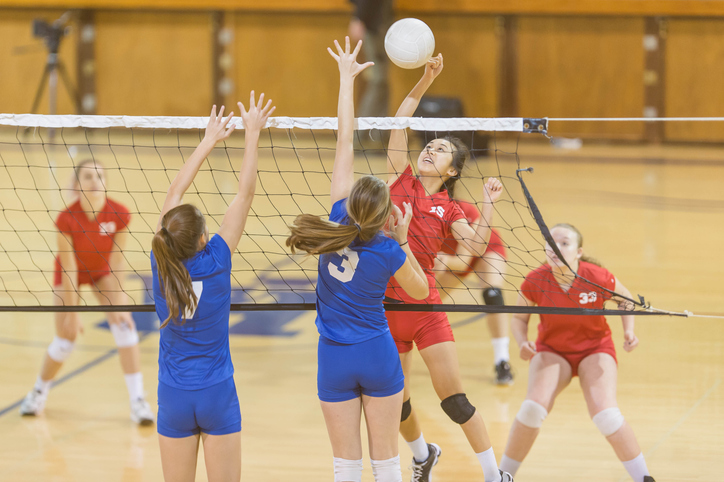
Most of the studies reviewed by the researchers involved increasing students’ participation in physical activities at school, ranging from simple aerobic exercises, such as running and jumping, to playing sports. The researchers suggested that schools could look to their physical education programs as a means to improve students’ mental health.
“The findings of this systematic review and meta-analysis strengthen the role of physical activity for depressive symptom management and highlight the potential of structured physical education programs in primary and secondary schools for improving the mental health of children and adolescents,” the researchers wrote. They called for further investigation of the frequency, duration, and supervision of physical activity associated with this improvement.
A companion editorial in JAMA Pediatrics urged research to find how to make physical activities more widely available and engage more children and teens in them, which is key to getting widespread public health benefits. “The evidence that physical activity is effective medicine for mental health is robust; now we need to find ways to get people to take it,” wrote Eduardo E. Bustamante, PhD, of the Department of Kinesiology and Nutrition at the University of Illinois Chicago. [2]
Other research findings have found similar links between exercise and depression in adults. A 2021 systematic review and meta-analysis, published in JAMA Psychiatry, found that adults who are physically active have a lower risk of depression than those who do not exercise at all and that “relatively small doses of physical activity were associated with substantially lower risks of depression.” [3]
Similar results were found when researchers analyzed data from 1.2 million American adults who took the Centers for Disease Control and Prevention’s Behavioral Risk Factors Surveillance System survey in 2011, 2013, and 2015. The 2018 study, published in The Lancet Psychiatry, found that all types of exercise – even walking – for an average duration of 45 minutes three times a week were “significantly and meaningfully” associated with fewer days of poor self-reported mental health by survey participants as compared to those who did not exercise. [4]
Online health guidance from Harvard Medical School calls exercise “an all-natural treatment to fight depression.” “Pills aren’t the only solution. Research shows that exercise is also an effective treatment,” according to the Harvard Health Publishing website. [5]
Currently, 45 million Americans are prescribed antidepressant drugs, whose side effects include sleep problems, emotional dulling, sexual dysfunction, anxiety, irritability, hostility, aggressiveness, loss of judgment, and the impulsiveness and mania that can lead to violence and suicidal thoughts and actions.
Worse still, those who want to stop taking antidepressants risk serious withdrawal symptoms that can persist for a year or more. [6]
The longer antidepressants are taken and the higher the dose, the more severe and prolonged the withdrawal symptoms may be, causing an untold number of users to give up trying and instead remain on a drug they no longer want.
Even the rationale for prescribing antidepressants – to correct a supposed chemical imbalance in the brain – has been questioned by researchers who conducted a comprehensive review, which for the first time integrated all relevant research, to evaluate whether scientific evidence supported the theory that a low level of the brain chemical serotonin caused depression.
“The serotonin theory of depression has been one of the most influential and extensively researched biological theories of the origins of depression,” wrote lead author Joanna Moncrief in Molecular Psychiatry in July. “Our study shows that this view is not supported by scientific evidence. It also calls into question the basis for the use of antidepressants.” [7]
The Citizens Commission on Human Rights (CCHR) continues to raise public awareness of the risks of serious side effects and withdrawal symptoms from antidepressants and other psychiatric drugs, so that consumers and their physicians can make fully informed decisions about starting or stopping the drugs. CCHR supports safe and science-based non-drug approaches to mental health.
CCHR also recommends a complete physical examination with lab tests, nutritional and allergy screenings, and a review of all current medications to identify any physical causes of depression or other unwanted mental and emotional symptoms, which might otherwise be misdiagnosed and incorrectly treated as a psychiatric disorder.
WARNING: Anyone wishing to discontinue or change the dose of an antidepressant or other psychiatric drug is cautioned to do so only under the supervision of a physician because of potentially dangerous withdrawal symptoms.
The Citizens Commission on Human Rights was co-founded in 1969 by members of the Church of Scientology and the late psychiatrist and humanitarian Thomas Szasz, M.D., recognized by many academics as modern psychiatry’s most authoritative critic, to eradicate abuses and restore human rights and dignity to the field of mental health. CCHR has been instrumental in obtaining 228 laws against psychiatric abuses and violations of human rights worldwide.
The CCHR National Affairs Office in Washington, DC, has advocated for mental health rights and protections at the state and federal level. The CCHR traveling exhibit, which has toured 441 major cities worldwide and educated over 800,000 people on the history to the present day of abusive and racist psychiatric practices, has been displayed at the Congressional Black Caucus Foundation Annual Legislative Conference in Washington, DC, and at other locations.
There is no escaping the extensive shadow that record has solid over modern American everyday living. Whether Supreme Court docket justices jockeying above the first intent of the Founding Fathers, universities probing how substantially of their wealth derived from slavery, community officers taking away memorials to white supremacists or university boards debating the content of background curriculums, we are day-to-day reminded of how significantly the past shapes the present and inevitably the foreseeable future. A new guide edited by a distinguished staff of Princeton historians — Kevin M. Kruse and Julian E. Zelizer, who previously co-authored “Fault Lines: A History of the United States Due to the fact 1974” — sets out to interrogate what they claim has been the alarming rise of an “age of disinformation,” a deliberate hard work to distort info to advance proper-wing myths: “narratives about the past [that make it] … unachievable to picture futures that are considerably different.” Not surprisingly, they track down the most pernicious warriors towards the real truth in the Trump administration, and the Republican Occasion more broadly, aided by a conservative media ecosystem. That energy culminated in the President’s Advisory 1776 Fee report, launched in the last times of the Trump White Propertywith no American historian amongst the authors, to provide a countrywide background that would promote “patriotic schooling.” Kruse and Zelizer dismiss it alternatively as propaganda that values “feeling good over pondering hard” and “celebration about elaborate being familiar with.”
This latest assault on fact enthusiastic Kruse and Zelizer to assemble 20 essays in a quantity with the fairly sensationalist title “Myth The united states: Historians Just take on the Biggest Legends and Lies About Our Past.” That grandiose billing apart, the ebook brings jointly exceptional historians who draw on loaded, generally astonishing current investigation by them selves and other people to present a a great deal much more sophisticated and significantly less congratulatory image of many of the most contentious troubles in the nation’s record. What’s more, these essays take care of viewers to incredibly accessible, jargon-absolutely free historic creating.
We study from Akhil Reed Amar about the flaws along with the strengths of the Structure, from Sarah Churchwell that Donald Trump’s “America First” goes back again to the 1850s as a marker additional of discord than of unity versus overseas enemies, and from Geraldo Cadava that for considerably of American record the border was a web-site of connection relatively than illegality. Karen Cox inbound links the present-day conflicts above eliminating Accomplice monuments to the “Lost Cause” rationale for the Civil War that can be traced again as much as the war’s stop. Natalia Mehlman Petrzela exposes how, irrespective of the recurrent charge that feminism is anti-family members, from its origins in temperance and abolitionism by to suffrage and the founding of the National Business for Women most feminists have defended the classic family.
Many essays consider up myths relevant to put up-Globe War II bash politics and racial activism. Kruse dismantles the belief that Richard Nixon’s 1968 marketing campaign invented the Southern Technique by tracing it back to the Dixiecrat split with the Democrats in 1948. Zelizer reveals that the Reagan Revolution, so typically touted as the loss of life knell for liberalism, was “more of a political conversing stage than a description of truth.” Glenda Gilmore conveys how the myth of the civil rights movement as “The Excellent Protest” — succeeding by way of passivity — distorts the real truth and has been deployed to vilify far more current demonstrators for racial equality as “lawless.” Relatedly, Elizabeth Hinton disputes well-liked assumptions that protest violence normally starts off with the protesters and argues in its place that ever given that Lyndon Johnson’s War on Criminal offense of 1965 militarized law enforcement, the law enforcement have been the instigators. Lawrence Glickman explores how White backlash has regularly been justified on the grounds that protesters are heading “too quickly.” Carol Anderson traces the recent made hysteria all-around voter fraud back again to the days of Jim Crow in the South, but also to the Northern towns exactly where Blacks ever more voted.
Curiously, practically all of the essays depart in a important way from the premise laid out by Kruze and Zelizer — that trafficking in untruths and spinning myths about the earlier in company of a political agenda are products and solutions of the Trump decades. Alternatively, just about each essay paperwork how deeply embedded these myths have been in American heritage. David Bell’s examination of American Exceptionalism exhibits how, relatively than a time-honored truth about the place, it was an thought created for the duration of the early 20th century and recast “at unique times and for diverse factors, serving the needs of different constituencies.” Ari Kelman files how the mythology of the American continent as a blank slate, absent of Indians, arrived with the very first settlers. Erika Lee claims that Trump’s anti-immigration rant that “they continue to keep coming” has a long heritage, regularly overlooking a long time of American recruitment of immigrants to make the nation an agricultural and industrial powerhouse. Daniel Immerwahr refutes America’s idealized self-image of getting avoided an empire he insists we had a single from the very begin.
Other essays disprove common tropes of present-day political discourse. Michael Kazin argues that considerably from becoming thought of un-American, socialist suggestions have persisted for two generations inside mainstream politics. Eric Rauchway supports this issue by exhibiting that the recurrent repudiation of the New Offer as a failed experiment in progressive massive governing administration belies the info Joshua Zeitz refutes a equivalent charge about the Good Modern society. Naomi Oreskes and Erik Conway reject the mythological “magic of the marketplace” that supposedly has proved far more powerful than govt. And Kathleen Belew dismisses as wishful wondering the assert made about the Jan. 6, 2021, insurrection that “this is not who we are,” by documenting a century of assaults by white supremacists.
Just after looking through these essays, it is tough not to conclude that mythmaking has lengthy been a component of U.S. record. To some extent, all nations indulge, setting up usable pasts that strengthen preferred social values and political objectives. But there may possibly be causes that mythmaking has been particularly effective in the United States. A region with out any one ethno-spiritual underpinning may rely more on invented narratives for countrywide identity. Additionally, the American custom of maintaining the federal govt out of instruction, both equally as a funder and a standard setter, may perhaps aid to propagate myths. Instead, schooling has been left to localities or, when there is a larger authority, to a condition, as perfectly as to the personal market of textbook publishers that inevitably cater to their university district purchasers. In simple fact, years before the controversy above the New York Times’1619 Project, which explored the centrality of slavery to American background, an effort in the 1990s to set nationwide expectations for K-12 background teaching finished in catastrophe. A contest concerning “Great Male history” and one additional inclusive of missed groups resulted in a harmful culture war right before the whole enterprise was abandoned. The ceding of command around curriculum written content to localities has minimized specialist accountability and granted authority to individuals applying historical past to endorse exclusive passions.
To the extent that Kruse and Zelizer are proper to be aware that historic mythmaking has grown in modern many years, it may possibly be a end result of the retreat from training record. When I checked the tips for applicants to my property institution, Harvard — arguably among the most demanding in college admissions — I identified a request for four yrs of English, arithmetic, a solitary foreign language and science, and only two years of heritage, with some encouragement to take a 3rd.
The cost of devaluing the teaching of background has come to be ever more obvious. Study soon after survey paperwork Americans’ surprising lack of historical know-how and comprehending: Only 1 in 3 could pass the U.S. citizenship take a look at, produced up of basic issues. Fifty percent of Us citizens believe that that the Civil War took location just before the American Revolution. Fewer than a third can describe Reconstruction. Virtually 50 percent do not understand the three branches of governing administration. And so on. Devoid of any reservoirs of historic knowledge to draw on, Americans are vulnerable to untruths, disinformation and myths.
But this guide points to a continue to further trouble. As the authors of these outstanding essays meticulously keep track of how well known mythologies about the previous have been invented, refined and redefined to serve distinct moments, they trace at a thing incredibly essential that issues to some extent the framing of this ebook as a contest between truths and untruths, myths and realities. Historians realize, and advanced academics of record impart to their students, that record is not only about facts. It is also about interpretations, and these interpretations shift around time as the views of historians change. Contemporary documentary sources are found, methodologies of investigation evolve, the recent moment evokes unique varieties of concerns and in transform new answers. A person could argue, hence, that the real obstacle for Us citizens is not to try to substitute “what actually happened” for some mythological rendering of the earlier but to figure out that history is generally a building the place the current satisfies the earlier, even as it hardly ever abandons the obligation to remain as legitimate as probable to the best obtainable evidence. The occupation of the critical citizen, then, is to master to realize how and when biases are shaping our record — to acquire the instruments for investigation, not just a set of pat responses. That might be the most important historic truth that Americans should aspire to discover.
Historians Get on the Biggest Legends and Lies About Our Earlier
Edited by Kevin M. Kruse and Julian E. Zelizer
A take note to our visitors
We are a participant in the Amazon Providers LLC Associates Software,
an affiliate marketing software intended to supply a means for us to generate costs by linking
to Amazon.com and affiliated web-sites.