Of Physical Activity, Fat, and Pharmaceuticals

A new wave of fashionable body weight-loss medications is sweeping the planet of celebrities. This may well be a person additional example of quick pharmacological treatments for behavioral troubles that accrue to contemporary life.

How one approaches remedies for remaining obese is mainly identified by time frame. Medical professionals coping with life-threatening being overweight-relevant situations want quick options if they are to extend a patient’s daily life. Likewise, celebs who are frequently in the general public eye need quick outcomes from fat-regulate steps to keep on being well-known. Rapidly-performing appetite-suppressing medicine are desirable choices and likely aspect-effects are downplayed. Some of the new drugs (e. g., Wegovy) are thought of harmless and may well develop body weight decline of up to 20 percent.

Viewed as from an particular person point of view, the critical to treating weight problems is prevention. Remaining chubby typically begins in childhood and is affiliated with the sedentary life style of several contemporary families. This phenomenon is positioned in sharp aid by contemplating adjustments in weight problems more than the course of a number of generations.

The Historical past of Obesity

The history of obesity is mentioned by its normal absence prior to the 20th century. Among the subsistence hunter-gatherers, the basic inhabitants was lean and perfectly-toned. These attributes ended up not thanks to a scarcity of meals. Anthropologists identified that hunter-gatherers in fact consumed a excellent deal additional calories than urban people (1). This level of nourishment was wanted to aid their bodily energetic lifestyles.

Even when our ancestors switched to farming, there was no proof of an emergence of being overweight. A farming way of life typically demanded additional perform than searching and accumulating. Farmers had larger fertility than hunter-gatherers, implying that females experienced greater fat suppliers that authorized them to maintain far more pregnancies in a life time. Even so, there was no morbid being overweight for either gender simply because subsistence farming necessitated a substantial stage of physical activity. This place was confirmed by the circumstance of the Pima Native Individuals of Arizona who have been recognized as having unusually high concentrations of obesity. Their family in Mexico, who ongoing to operate as subsistence farmers, had almost no being overweight.

When being overweight initially manifested alone in human societies, it emerged in urban societies exactly where there was a strict class method. In these societies, girth signaled prosperity so that fatness was perceived as an index of social results. These at the base of the social ladder ended up compelled to operate challenging and struggled to obtain more than enough to try to eat. The elite refrained from actual physical get the job done and eaten loaded meals that permitted them to place on body weight.

Fashionable Way of life Syndrome

All of this will make it clear that up to date obesity is the item of harmful fashionable lifestyles. Like the elites of outdated, we set in far too minimal bodily hard work and eat too numerous superior-calorie foodstuff to manage a wholesome system pounds.

Growing waistlines deliver a substantial enhance in weight problems-associated disorders. Secondary diabetes for illustration, is influencing more people today at at any time-young ages. Being overweight is also affiliated with various metabolic disorders, which includes heart disease, kidney diseases, and liver sickness. This “metabolic syndrome” is so threatening to general well being that it is envisioned to lessen the lifetime expectancy of young generations as opposed to their parents.

Even though health care treatment plans are necessary for the morbidly obese, the root cause of these problems is generally behavioral fairly than clinical. It is easy to implement drug treatment plans right after these issues arise but it would be preferable if they could be prevented by means of way of life interventions early in existence.

Behavioral Methods

When farmers want to fatten their animals, they prohibit their movements and feed them substantial-calorie foods. In phrases of modern day life, our young individuals normally direct inactive existence are plugged into social media and take in a diet of endless high-calorie snack food items.

Behavioral options to obesity avoidance are easy in theory if not in observe. For instance, youngsters need to shell out a lot more time in actual physical actions and considerably less time on sedentary pursuits these types of as interacting with screens. Provided an inactive lifestyle, consuming sugar-laden drinks and consuming higher-calorie snacks is the perfect approach of developing weight problems, according to substantial study on lab animals. So the remedies are to cautiously prohibit time invested on screens as effectively as cutting down on junk foodstuff.

Pollution exposure may counteract protective CV effects of physical activity

April 12, 2023

3 min read


Disclosures:
The authors report no relevant financial disclosures.


We were unable to process your request. Please try again later. If you continue to have this issue please contact customerservice@slackinc.com.

Key takeaways:

  • Increased active commuting was tied to reduced CVD and cerebrovascular disease risk for farmers in China with low air pollution exposure.
  • Any health benefits were attenuated with high air pollution exposure.

Exposure to higher amounts of fine particulate matter air pollution may counteract the protective CV effects of active commuting and farming activity in China, researchers reported.

In an analysis of Chinese biobank data with more than 320,000 participants, researchers found that increased active commuting was associated with reduced risks for cerebrovascular disease and ischemic heart disease for both farmers and nonfarmers with lower fine particulate matter (PM2.5) exposure. However, the associations disappeared for those with higher PM2.5 exposure.


Air pollution in China

Increased active commuting was tied to reduced CVD and cerebrovascular disease risk for farmers in China with low air pollution exposure.
Image: Adobe Stock

“Being physically active is a well-established protective factor for cardiovascular health. However, the inhaled dose of PM2.5 increases with ventilation frequency and exposure time during outdoor physical activity,” Jun Lv, PhD, professor in the department of epidemiology and biostatistics at Peking University School of Public Health, China, and colleagues wrote in The Lancet Planetary Health. “Long-term PM2.5 exposure has been associated with an elevated risk of CVD. To what extent the beneficial effect of physical activity can be offset and even turn into increasing CVD risk due to prolonged outdoor time and higher inhalation rates in settings with high PM2.5 concentrations remains a concern, with no clear conclusions.”

Modeling air pollution exposure

In a prospective study, Lv and colleagues analyzed data from 322,399 adults aged 30 to 79 years without CVD at baseline who participated in the China Kadoorie Biobank between 2005 and 2017. Researchers assessed active commuting and farming activity using questionnaires. To estimate annual average PM2.5 exposure, the researchers created a high-resolution satellite-based model during the study period and stratified participants according to PM2.5 exposure ( 54 g/m³ vs. < 54 g/m³). Researchers estimated HRs for incident cerebrovascular disease and ischemic heart disease by active commuting and farming activity.

Within the cohort, 118,274 participants were nonfarmers and 204,125 identified as farmers. Among the farmers, 2,985 reported no farming time and 201,140 were included in the farming activity analysis.

During a median follow-up of 11 years, researchers identified 39,514 cerebrovascular disease cases and 22,313 ischemic heart disease cases.

Among nonfarmers with exposure to annual average PM2.5 concentrations of less than 54 g/m³, increased active commuting was associated with lower risk for cerebrovascular disease. Compared with those who reported the lowest amount of active commuting, those reporting the highest amount of active commuting were 30{af0afab2a7197b4b77fcd3bf971aba285b2cb7aa14e17a071e3a1bf5ccadd6db} less likely to develop cerebrovascular disease (HR = 0.7; 95{af0afab2a7197b4b77fcd3bf971aba285b2cb7aa14e17a071e3a1bf5ccadd6db} CI, 0.65-0.76) and 40{af0afab2a7197b4b77fcd3bf971aba285b2cb7aa14e17a071e3a1bf5ccadd6db} less likely to develop ischemic heart disease (HR = 0.6; 95{af0afab2a7197b4b77fcd3bf971aba285b2cb7aa14e17a071e3a1bf5ccadd6db} CI, 0.54-0.66). Among nonfarmers with exposure to annual average PM2.5 concentrations of at least 54 g/m³, there was no association between active commuting and cerebrovascular disease or ischemic heart disease.

Increased cerebrovascular risk for farmers

Similarly, among farmers with exposure to annual average PM2.5 concentrations of less than 54 g/m³, increased active commuting was associated with reduced cerebrovascular disease risk (HR = 0.77; 95{af0afab2a7197b4b77fcd3bf971aba285b2cb7aa14e17a071e3a1bf5ccadd6db} CI, 0.63-0.93), as was increased farming activity (HR = 0.85; 95{af0afab2a7197b4b77fcd3bf971aba285b2cb7aa14e17a071e3a1bf5ccadd6db} CI, 0.79-0.92). However, among farmers with exposure to annual average PM2.5 concentrations of at least 54 g/m³, increases in active commuting were tied to elevated cerebrovascular disease risk (HR = 1.12; 95{af0afab2a7197b4b77fcd3bf971aba285b2cb7aa14e17a071e3a1bf5ccadd6db} CI, 1.05-1.19), as were increases in farming activity (HR = 1.18; 95{af0afab2a7197b4b77fcd3bf971aba285b2cb7aa14e17a071e3a1bf5ccadd6db} CI, 1.09-1.28).

Researchers noted that the associations differed significantly between PM2.5 strata (P for all interaction values < .0001).

“For participants with long-term exposure to higher PM2.5 concentrations, the cardiovascular benefits of active commuting were attenuated to the null among nonfarmers,” the researchers wrote. “Both active commuting and farming activity were even associated with increased cerebrovascular disease risk among farmers with exposure to higher PM2.5 concentrations. Our findings have policy implications for continuously improving air quality, with similar efforts put into rural and urban areas, to maximize the cardiovascular protective effects of physical activity in China.”

Physical activity may offset short sleep duration increase in CVD mortality

April 09, 2023

2 min read


Disclosures:
The authors report no relevant financial disclosures.


We were unable to process your request. Please try again later. If you continue to have this issue please contact customerservice@slackinc.com.

Physical activity may offset the increased CVD mortality that is associated with unusual sleep duration, according to a study published in the European Journal of Preventive Cardiology.

“To our knowledge, the present study was the first to use accelerometry to document the joint association of physical activity and sleep duration with all-cause, CVD and cancer mortality,” Yannis Yan Liang, MD, PhD, of the Guangdong Cardiovascular Institute, Guangdong Provincial People’s Hospital and Guangdong Academy of Medical Sciences in Guangdong, China, and colleagues wrote.


Man exercising

Physical activity may offset the increased CVD mortality that is associated with unusual sleep duration.
Image: Adobe Stock

In a population-based cohort study using data from the UK Biobank between February 2013 and December 2015, 92,221 participants were divided into groups based on sleep duration, volume of physical activity and moderate to vigorous physical activity (MVPA) based on WHO guidelines.

Most of the participants reported a normal sleep duration, whereas 19.7{af0afab2a7197b4b77fcd3bf971aba285b2cb7aa14e17a071e3a1bf5ccadd6db} reported a long sleep duration and 7.1{af0afab2a7197b4b77fcd3bf971aba285b2cb7aa14e17a071e3a1bf5ccadd6db} reported a short sleep duration. One-third of the participants had a low volume of physical activity, and 39.1{af0afab2a7197b4b77fcd3bf971aba285b2cb7aa14e17a071e3a1bf5ccadd6db} did not meet MVPA recommended targets.

After a median follow-up period of 7 years, 3,080 all-cause deaths occurred, with 1.16{af0afab2a7197b4b77fcd3bf971aba285b2cb7aa14e17a071e3a1bf5ccadd6db} of those deaths from CVD and 2.03{af0afab2a7197b4b77fcd3bf971aba285b2cb7aa14e17a071e3a1bf5ccadd6db} from cancer.

The researchers found that short sleep duration was associated with all-cause (HR = 1.34; 95{af0afab2a7197b4b77fcd3bf971aba285b2cb7aa14e17a071e3a1bf5ccadd6db} CI, 1.18-1.51) and CVD (HR = 1.56; 95{af0afab2a7197b4b77fcd3bf971aba285b2cb7aa14e17a071e3a1bf5ccadd6db} CI, 1.29-1.89) mortality, but was not significantly associated with cancer mortality.

In addition, compared with those who had normal sleep duration and guideline-recommended MVPA, those who had long or short sleep duration and did not achieve guideline-recommended MVPA had elevated risk for all-cause mortality (HR for short sleep duration = 1.88; 95{af0afab2a7197b4b77fcd3bf971aba285b2cb7aa14e17a071e3a1bf5ccadd6db} CI, 1.61-2.2; HR for long sleep duration = 1.69; 95{af0afab2a7197b4b77fcd3bf971aba285b2cb7aa14e17a071e3a1bf5ccadd6db} CI, 1.49-1.9), the researchers wrote.

The researchers also found that MVPA exceeding the recommendations decreased all-cause (HR = 0.67; 95{af0afab2a7197b4b77fcd3bf971aba285b2cb7aa14e17a071e3a1bf5ccadd6db} CI, 0.48-0.59), CVD (HR = 0.61; 95{af0afab2a7197b4b77fcd3bf971aba285b2cb7aa14e17a071e3a1bf5ccadd6db} CI, 0.52-0.71) and cancer (HR = 0.73; 95{af0afab2a7197b4b77fcd3bf971aba285b2cb7aa14e17a071e3a1bf5ccadd6db} CI, 0.65-0.81) mortality.

When examining the joint association of physical activity and sleep duration, the researchers found that high volume of physical activity or WHO-recommended MVPA reduced the detrimental impact of abnormal sleep duration.

“Our study using accelerometry offered robust evidence supporting the large body of research relying on self-reported data, showing independent associations of physical activity and sleep duration with mortality,” Liang and colleagues wrote.

Effectiveness of physical activity interventions for improving depression, anxiety and distress: an overview of systematic reviews

Introduction

Mental health disorders are among the leading causes of the global health-related burden, with substantial individual and societal costs.1 2 In 2019, one in eight people (970 million) worldwide were affected by a mental health disorder3 and almost one in two (44{af0afab2a7197b4b77fcd3bf971aba285b2cb7aa14e17a071e3a1bf5ccadd6db}) will experience a mental health disorder in their lifetime.4 The annual global costs of mental health disorders have been estimated at $2.5 trillion (USD), which is projected to increase to $6 trillion (USD) by 2030.5 Depression is the leading cause of mental health-related disease burden,6 while anxiety is the most prevalent mental health disorder.3 Additionally, the COVID-19 pandemic has been associated with increased rates of psychological distress, with prevalence ranging between 35{af0afab2a7197b4b77fcd3bf971aba285b2cb7aa14e17a071e3a1bf5ccadd6db} and 38{af0afab2a7197b4b77fcd3bf971aba285b2cb7aa14e17a071e3a1bf5ccadd6db} worldwide.7–9

The role of lifestyle management approaches, such as exercise, sleep hygiene and a healthy diet, varies between clinical practice guidelines in different countries. In US clinical guidelines,10 psychotherapy or pharmacotherapy is recommended as the initial treatment approaches, with lifestyle approaches considered as ‘complementary alternative treatments’ where psychotherapy and pharmacotherapy are ‘ineffective or unacceptable’. In other countries such as Australia, lifestyle management is recommended as the first-line treatment approach,11 12 though in practice, pharmacotherapy is often provided first.

There have been hundreds of research trials examining the effects of physical activity (PA) on depression, anxiety and psychological distress, many of which suggest that PA may have similar effects to psychotherapy and pharmacotherapy (and with numerous advantages over psychotherapy and pharmacotherapy, in terms of cost, side-effects and ancillary health benefits).13–18 Despite the evidence for the benefits of PA, it has not been widely adopted therapeutically. Patient resistance, the difficulty of prescribing and monitoring PA in clinical settings, as well as the huge volume of largely incommensurable studies, have probably impeded a wider take-up in practice.13 14 17

Meta-reviews are systematic reviews of systematic reviews, offering a way of synthesising a vast evidence base. While there have been several meta-reviews of PA for depression, anxiety and psychological distress,17 19–24 they have focused on specific population subgroups, particular conditions (eg, depression only) or on particular forms of PA. We set out to undertake the most comprehensive synthesis to date of evidence regarding the effects of all modes of PA on symptoms of depression, anxiety and psychological distress in adult populations.

Methods

Protocol and registration

The protocol for this systematic umbrella review was prospectively registered on PROSPERO and results are reported according to Preferred Reporting Items for Systematic Reviews and Meta-Analyses (PRISMA)25 guidelines.

Selection criteria and search strategy

The population, intervention, comparison, outcomes and study type (PICOS) framework was used to develop the inclusion criteria as follows: population: any adult population (aged ≥18 years); intervention: interventions designed to increase PA. The following definition of PA was used: ‘any bodily movement produced by the contraction of skeletal muscles that results in a substantial increase in caloric requirements over resting energy expenditure’.26 Reviews were eligible irrespective of PA modality, supervision, delivery (eg, in-person or online) or dose (frequency, intensity and duration). Reviews were ineligible if they included any randomised control trials (RCTs) of non-PA interventions, if PA was combined with another intervention (eg, diet) or if they evaluated single bouts of acute exercise. Comparator: reviews were eligible if ≥75{af0afab2a7197b4b77fcd3bf971aba285b2cb7aa14e17a071e3a1bf5ccadd6db} of the included RCTs involved either usual care, waitlist, nothing an equal attention intervention or a lower/lesser PA intervention (eg, a supervised exercise intervention vs printed PA materials). During study selection, it became apparent that the comparator inclusion/exclusion criteria needed elaboration. After careful consideration and discussion, we decided to exclude reviews where >25{af0afab2a7197b4b77fcd3bf971aba285b2cb7aa14e17a071e3a1bf5ccadd6db} of component RCTs compared PA to pharmaceutical interventions or compared two types of equal dose exercise (eg, resistance vs aerobic exercise) without a non-PA comparison, since the inclusion of such reviews would limit our ability to evaluate the effectiveness of PA per se. Outcomes: any self-report or clinician-rated assessment of depression, anxiety or psychological distress symptoms. Study type: systematic reviews with meta-analyses of RCTs only, which included meta-analyses of the outcomes of interest.

Twelve databases were searched (CINAHL, Cochrane, Embase, MEDLINE, Emcare, ProQuest Health and Medical Complete, ProQuest Nursing and Allied Health Source, PsycINFO, Scopus, Sport Discus, EBSCOhost and Web of Science) using subject heading, keyword and Medical Subject Headings (MeSH) term searches for ‘systematic review’, ‘meta-analysis’, ‘physical activity’, ‘exercise’, ‘anxiety’, ‘depression’ and ‘psychological distress’ (see online supplemental eTable 1 for the full search strategy). Database searches were limited to peer-reviewed journal articles published in English language from inception to 1 January 2022.

Data management and extraction

Search results were imported into EndNote V.x9 (Clarivate, Philadelphia) where duplicates were removed, then exported into Covidence (Veritas Health Innovation, Melbourne, Australia). Title/abstract and full-text screening, data extraction and risk of bias scoring were completed in duplicate by two independent reviewers (BS and AM, AW, CEMS, DD, EE, EO, KS, RC, RV or TF), with disagreements resolved by team discussion.

Data were extracted in duplicate by two independent reviewers (BS and AM, AW, CEMS, DD, EE, EO, KS, RC, RV or TF) using a standardised extraction form,27 28 and discrepancies were resolved by team discussion. The risk of bias of the included reviews was assessed by two independent reviewers (BS and AM, AW, CEMS, DD, EE, EO, KS, RC, RV or TF) in duplicate using the A MeaSurement Tool to Assess systematic Reviews (AMSTAR-2) tool.29 The AMSTAR-2 tool involves 16 items, with each item scored as yes, partial yes or no. Seven items are considered ‘critical’ and nine ‘non-critical’.29 The critical domains are protocol registration, adequacy of search strategy, justification for excluding individual studies, risk of bias assessment, appropriateness of meta-analysis methods, use of risk of bias during interpretation and assessment of publication bias. Reviews were rated as ‘high confidence’ (0 critical weakness and <3 non-critical weaknesses), ‘moderate’ (one critical weakness and <3 non-critical weaknesses), ‘low’ (>1 critical weakness and <3 non-critical weaknesses) or ‘critically low’ (>1 critical weakness and ≥3 non-critical weaknesses).29

Umbrella review synthesis methods

The overlap in component RCTs that were included across all eligible reviews was assessed using the Corrected Covered Area (CCA) method.30 A CCA of 100{af0afab2a7197b4b77fcd3bf971aba285b2cb7aa14e17a071e3a1bf5ccadd6db} indicates that every review included in our umbrella review comprised the same component RCTs, while a CCA of 0{af0afab2a7197b4b77fcd3bf971aba285b2cb7aa14e17a071e3a1bf5ccadd6db} indicates that every review in our umbrella review included entirely unique RCTs. The following cut-offs were used to quantify the CCA: 0{af0afab2a7197b4b77fcd3bf971aba285b2cb7aa14e17a071e3a1bf5ccadd6db}–5{af0afab2a7197b4b77fcd3bf971aba285b2cb7aa14e17a071e3a1bf5ccadd6db}=‘slight overlap’; 6{af0afab2a7197b4b77fcd3bf971aba285b2cb7aa14e17a071e3a1bf5ccadd6db}–10{af0afab2a7197b4b77fcd3bf971aba285b2cb7aa14e17a071e3a1bf5ccadd6db}=‘moderate’; 11{af0afab2a7197b4b77fcd3bf971aba285b2cb7aa14e17a071e3a1bf5ccadd6db}–15{af0afab2a7197b4b77fcd3bf971aba285b2cb7aa14e17a071e3a1bf5ccadd6db}=‘high’ and >15{af0afab2a7197b4b77fcd3bf971aba285b2cb7aa14e17a071e3a1bf5ccadd6db}=‘very high’ overlap.30 Publication bias was assessed by creating a funnel plot and observing the presence of asymmetries or missing sections.31

Meta-analysis results from each review were presented using forest plots. Separate forest plots were created for meta-analyses reporting standardised (eg, standardised mean difference, SMD) and unstandardised effect sizes (eg, mean difference). For meta-analyses that reported standardised effect sizes, we undertook subgroup analyses for clinical status and intervention characteristics. Meta-analysis results were summarised using medians and IQRs

The Oxford Centre for Evidence-Based Medicine levels of evidence and grades for recommendations32 were used to classify the overall level of evidence as grade A: consistent level 1 studies (ie, systematic reviews of RCTs or individual RCTs); B: consistent level 2 (ie, systematic reviews of cohort studies or individual cohort studies) or level 3 studies (ie, systematic reviews of case–control studies or individual case–control studies) or extrapolations from level 1 studies; C: level 4 studies (ie, case series) or extrapolations from level 2 or 3 studies or D: level 5 (ie, expert opinion without explicit critical appraisal) evidence or troublingly inconsistent or inconclusive studies of any level.32

Results

Of the 1280 records identified, 97 were eligible. They included 1039 unique (component) RCTs and the CCA was 0.6{af0afab2a7197b4b77fcd3bf971aba285b2cb7aa14e17a071e3a1bf5ccadd6db}, indicating slight overlap (see online supplemental eFigure 1 for PRISMA flowchart, including reasons for exclusions). Evaluation of funnel plots indicated no evidence of publication bias (online supplemental eFigure 2).

An overview of all reviews’ characteristics is shown in online supplemental eTable 2. There was a total of >128 119 participants (n=133 did not report the number of participants). Mean participant age ranged from 29 to 86 (median=55) years, and most reviews (n=83, 86{af0afab2a7197b4b77fcd3bf971aba285b2cb7aa14e17a071e3a1bf5ccadd6db}) involved female and male participants. An overview of all populations and PA modalities is shown in table 1. Fifteen reviews specifically involved individuals with depression33–41 and three involved individuals with anxiety.42–44 Most reviews involved various PA modes (n=70) and most (n=77) had a critically low AMSTAR-2 score (low: n=10; high: n=10, online supplemental eTable 3).

Table 1

Overview of all populations, conditions and physical activity modes of the included reviews

Meta-analysis results: depression

Results from 72 meta-analyses based on SMD (n=875 component RCTs, >62 040 participants) showed a medium effect in favour of PA for reducing depression and depressive symptoms (median SMD=−0.43, IQR=−0.66 to –0.27, figure 1).

Figure 1
Figure 1

Results of meta-analyses that assessed symptoms of depression using standardised mean differences (negative values represent a reduction in symptoms).

MD effect size for each instrument was: profile of mood states: −7.68 (1 review), Beck Depression Inventory: −5.53 (IQR=−6.24 to –4.81), The Edinburgh Postnatal Depression Scale: −2.97 (IQR=−3.49 to –2.44), self-rating scale: −3.99 (one review), Brief Symptom Inventory 18: −3.02 (one review), Centre for Epidemiological Studies Depression: −0.36 (IQR=−1.25 to 0.02), Montgomery-Asberg Depression Rating Scale: −1.80 and Hospital Anxiety and Depression Scale: −1.26 (IQR=−1.41 to –1.18, online supplemental eFigure 3 and online supplemental eTable 4).

Grade of recommendation: (A) Consistent level 1 studies.

Anxiety

Results from 28 meta-analyses using SMD (171 component RCTs, >10 952 participants) showed a medium effect of PA for reducing anxiety (median SMD=−0.42, IQR=−0.66 to –0.26, figure 2).

Figure 2
Figure 2

Results of meta-analyses that assessed symptoms of anxiety using standardised mean differences (negative values represent a reduction in symptoms).

MD effect sizes for each instrument were: The State-Trait Anxiety Inventory: −3.61 (IQR=−6.01 to –1.66), Brief Symptom Inventory-18: −5.45 (1 review), Self-rating scale: −4.57 (1 review), Hospital Anxiety and Depression Scale: −1.26 (IQR=−1.26 to –0.79, online supplemental eTable 4 and online supplemental eFigure 5).

Grade of recommendation: (A) Consistent level 1 studies.

Psychological distress

One systematic review45 reported SMD results for psychological distress (six component RCTs, 508 participants), while another systematic review46 reported MD results (one component RCT, 39 participants). Results showed a medium effect in favour of PA, compared with usual care (SMD=−0.60, 95{af0afab2a7197b4b77fcd3bf971aba285b2cb7aa14e17a071e3a1bf5ccadd6db} CI −0.78 to –0.42). For MD, findings showed no significant effect (MD=−0.30, 95{af0afab2a7197b4b77fcd3bf971aba285b2cb7aa14e17a071e3a1bf5ccadd6db} CI −5.55, 4.95, one review, one component RCT, 39 participants).

Grade of recommendation: (B) Consistent level 2 or 3 studies or extrapolations from level 1 studies.

Subgroup analyses: clinical status

Depression

Seventeen reviews provided data on patients with cancer,45 47–62 and 16 on people with depression or depressive symptoms.10 33 39 63–75 PA was effective in reducing depressive symptoms across all conditions (median SMD range: –0.85 (kidney disease), –0.16 (cardiovascular disease)). The largest effects were found in kidney disease, HIV, chronic obstructive pulmonary disease, generally healthy adults and individuals diagnosed with depression (table 2).

Table 2

Summary data on the effects of physical activity interventions on depression for a range of clinical conditions, including the number of reviews, studies and participants covered; and the 25th percentile, median and 75th percentile for standardised mean differences

Anxiety

PA was generally effective for reducing anxiety across disease conditions, with median SMDs ranging from –1.23 (HIV) to –0.16 (multiple sclerosis). However, the evidence base was limited except for cancer and anxiety disorders (table 3).

Table 3

Summary data on the effects of physical activity interventions on anxiety for a range of clinical conditions, including the number of reviews, studies and participants covered; and the 25th percentile, median and 75th percentile for standardised mean differences

Exercise mode

Depression

Eighteen reviews33 34 37 39 42 51 57 58 60 61 72–74 76–80 provided analyses by exercise mode (310 component RCTs, >14 496 participants, online supplemental eFigure 6). All modes were effective, and median effect sizes (SMDs) were similar across modes: –0.64 (IQR=–0.86 to–0.19) for strength-based interventions (nine reviews); –0.47 (IQR=–0.64 to–0.29) for mixed-mode interventions (12 reviews); –0.46 (IQR=–0.77 to–0.33) for stretching, yoga and other mind–body modalities (11 reviews) and –0.45 (IQR=–0.79 to–0.37) for aerobic exercise (15 reviews).

Anxiety

Fifteen reviews44 45 48 51 58 60 61 78 79 81–86 reported analyses by exercise mode (115 component RCTs, >5451 participants, online supplemental eFigure 7). All modes were effective, with median SMDs of –0.23 (IQR=–0.37 to –0.08) for strength-based interventions (two reviews); –0.35 (IQR=–0.86 to –0.23) for mixed modes (four reviews); –0.42 (IQR=–0.78 to –0.16) for stretching, yoga, and other mind-body modalities (seven reviews) and –0.29 (IQR=–0.54, –0.16) for aerobic exercise (six reviews).

Exercise intensity

Depression

Five reviews21 42 58 73 74 reported analyses by exercise intensity (63 component RCTs, >2776 participants, online supplemental eFigure 8). Low, moderate and high-intensity exercise interventions had a median SMD of –0.22 (IQR=–0.50 to –0.12), –0.56 (IQR=–1.03 to –0.33) and –0.70 (IQR=–1.25 to –0.24), respectively.

Anxiety

Two reviews58 84 reported analyses by exercise intensity (23 component RCTs, online supplemental eFigure 9). All intensities were effective. The single review for low-intensity exercise had a median SMD of –0.26; the one for moderate-intensity exercise –0.47, and the two for high-intensity exercise –0.44 (IQR=–0.49 to –0.13).

Intervention duration

Depression

Twelve reviews38 42 56 57 60 61 65 68 69 78 80 reported analyses by intervention duration (166 component RCTs, 15 669 participants, online supplemental eFigure 10). All durations were effective, but effectiveness declined as intervention duration increased. The median SMDs for short (≤12 weeks, 12 reviews), medium (12–23 weeks, 11 reviews) and long duration (≥24 weeks, 4 reviews) interventions were –0.84 (IQR=–1.50 to –0.48), –0.46 (IQR=–0.53 to –0.25) and –0.28 (IQR=–1.15 to –0.17), respectively.

Anxiety

Four reviews56 60 61 78 reported analyses by intervention duration (38 component RCTs, 2325 participants, online supplemental eFigure 11). Median SMDs for short (12 weeks) and median-duration (12–23 weeks) interventions were –0.55 (IQR=–0.83 to –0.27) and –0.47 (IQR=–0.72 to –0.08), respectively. The single review reporting on longer interventions (≥24 weeks) reported a median SMD of –0.15.

Weekly duration

Depression

Four reviews42 44 57 58 presented analyses by weekly session duration (68 component RCTs, >5016 participants, online supplemental eFigure 12). The median SMD for ≤150 min/week and >150 min/week was –0.58 (IQR=–0.77 to –0.30) and –0.29 (IQR=–0.40 to –0.07), respectively.

Anxiety

One review58 provided analyses by weekly session duration (17 component RCTs, online supplemental eFigure 13). The median SMDs for <150 min/week and ≥150 min/week were –1.23 and –0.99, respectively.

Session frequency

Depression

Three reviews42 76 78 (36 component RCTs, >232 participants) reported on session frequency. High-frequency (5–7 sessions per week), moderate-frequency (4–5 per week) and low-frequency (<4 per week) interventions had a median SMD of –0.76 (IQR=–1.20 to –0.32), –1.12 (–1.39 to –0.85) and –0.47 (IQR=–0.59 to–0.35), respectively (online supplemental eFigure 14).

Anxiety

One review78 compared session frequency, with SMDs of –0.50, –0.96 and –0.52 for 2–3, 4–5 and 6–7 session per week, respectively (online supplemental eFigure 13).

Session duration

Depression

Three reviews42 50 78 presented analyses on session duration (online supplemental content 17). Long (≥60 min, SMD=–0.57, IQR –0.85 to –0.35) and medium (30–60 min, SMD=–0.60, IQR –0.78 to –0.41) session durations had similar benefits. The sole study of short sessions (<30 min) had a SMD of 0.01 (online supplemental eFigure 15).

Discussion

This is the first ever study to compile the extensive base of evidence regarding the effects of PA on depression, anxiety and psychological distress. We identified 97 systematic reviews, reporting the findings of 1039 unique RCTs, involving 128 119 participants. Findings suggest that PA interventions are effective in improving symptoms of depression and anxiety. Improvements were observed across all clinical populations, though the magnitude of effect varied across different clinical populations. The greatest benefits were seen in people with depression, pregnant and postpartum women, apparently healthy individuals and individuals diagnosed with HIV or kidney disease. All PA modes were effective, and higher intensity exercise was associated with greater improvements for depression and anxiety. Longer duration interventions had smaller effects compared with short and mid-duration, though the longest duration interventions still had positive effects.

PA was effective at reducing depression and anxiety across all clinical conditions, though the magnitude of the benefit varied between clinical groups. The larger effect sizes observed in clinical populations may reflect that these populations experience above-average symptoms of depression and anxiety and have low PA levels, and, therefore, have a greater scope for improvement compared with non-clinical populations.17

All PA modes were beneficial, including aerobic, resistance, mixed-mode exercise and yoga. It is likely that the beneficial effects of PA on depression and anxiety are due to a combination of various psychological, neurophysiological and social mechanisms.87 Different modes of PA stimulate different physiological88 and psychosocial effects,88–90 and this was supported by our findings (eg, resistance exercise had the largest effects on depression, while Yoga and other mind–body exercises were most effective for reducing anxiety). Furthermore, our findings showed that moderate-intensity and high-intensity PA modes were more effective than lower intensities. PA improves depression though various neuromolecular mechanisms including increased expression of neurotrophic factors, increased availability of serotonin and norepinephrine, regulation of hypothalamic–pituitary–adrenal axis activity and reduced systemic inflammation.91 92 Therefore, low-intensity PA may be insufficient for stimulating the neurological and hormonal changes that are associated with larger improvements in depression and anxiety.87 Overall, our findings add further support to public health guidelines, which recommend multimodal, moderate and vigorous intensity PA.

Our findings that longer duration interventions were less effective than shorter interventions may seem counter intuitive. It is possible that this finding reflects a decline in adherence with longer interventions. Furthermore, due to a lack of blinding of participants in PA trials, participants may have expected to have improved symptoms. It is possible that after experiencing short-term improvements in depression or anxiety, the expectancy effect may diminish over longer periods of time. An alternative explanation is that the longer interventions might not provide sufficient progression of PA dose, leading to a reduction in their effectiveness. Furthermore, it was somewhat surprising that smaller weekly duration interventions demonstrated larger effects than higher weekly duration. This is the opposite to the dose–benefit relationship observed for exercise and physical health outcomes.93 It is possible that shorter duration interventions are easier for participants to comply with, whereas longer weekly duration interventions are more burdensome and that may be impacting the psychological benefits. It is a useful message that interventions do not need to provide high doses of PA for improvements in depression.

The key strength of this study was that it is the first umbrella review to evaluate the effects of all types of PA on depression, anxiety and psychological distress in all adult populations. We included only the highest level of evidence: meta-analyses of RCTs and applied stringent criteria regarding the design of the component RCTs to ensure that effects could be confidently attributed to PA rather than other intervention components. Additionally, there was only slight overlap in the component RCTs, increasing our confidence in the findings.

A limitation of the review is that most evidence focused on mild-to-moderate depression, with fewer reviews addressing anxiety and psychological distress, preventing us from reaching firm conclusions in the subgroup analyses for these outcomes. Furthermore, most (n=77) of the included reviews were rated as ‘critically low’, based on the AMSTAR-2 quality rating.

Clinical implications

PA is effective for managing symptoms of depression and anxiety across numerous populations, including the general population, people with mental illnesses and various other clinical populations. While the benefit of exercise for depression and anxiety is generally recognised, it is often overlooked in the management of these conditions. Furthermore, many people with depression and anxiety have comorbidities, and PA is beneficial for their mental health and disease management. This underscores the need for PA to be a mainstay approach for managing depression and anxiety.

All modes of PA are effective, with moderate-to-high intensities more effective than low intensity. Larger benefits are achieved from shorter interventions, which has health service delivery cost implications–suggesting that benefits can be obtained following short-term interventions, and intensive long-term interventions are not necessarily required to achieve therapeutic benefit. The effect size reductions in symptoms of depression (−0.43) and anxiety (−0.42) are comparable to or slightly greater than the effects observed for psychotherapy and pharmacotherapy (SMD range=−0.22 to −0.37).94–97 Future research to understand the relative effectiveness of PA compared with (and in combination with) other treatments is needed to confirm these findings.

In conclusion, PA is effective for improving depression and anxiety across a very wide range of populations. All PA modes are effective, and higher intensity is associated with greater benefit. The findings from this umbrella review underscore the need for PA, including structured exercise interventions, as a mainstay approach for managing depression and anxiety.

What is already known

  • Previous research trials suggest that physical activity may have similar effects to psychotherapy and pharmacotherapy for patients with depression, anxiety or psychological distress.

  • Studies have evaluated different forms of physical activity, in varying dosages, in different population subgroups, and using different comparator groups, making it difficult for clinicians to understand the body of evidence for physical activity in the management of mental health disorders.

What are the new findings

  • Results showed that physical activity is effective for reducing mild-to-moderate symptoms of depression, anxiety and psychological distress (median effect size range=−0.42 to –0.60), compared with usual care across all populations.

  • Our findings underscore the important role of physical activity in the management of mild-to-moderate symptoms of depression, anxiety and psychological distress.

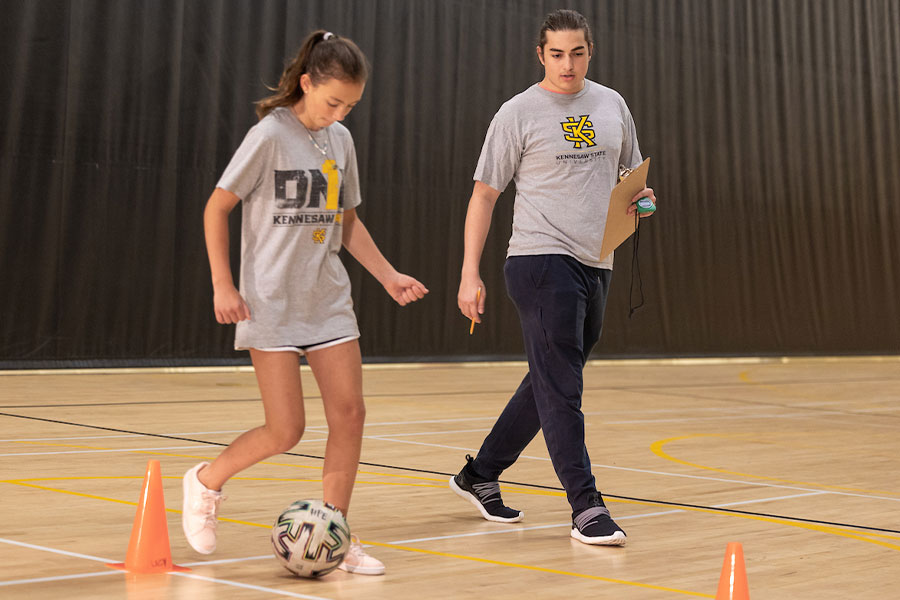
Kennesaw State launching new bachelor’s degree in physical activity leadership


KENNESAW, Ga. |
Mar 17, 2023

Kennesaw State launching new bachelor’s degree in physical activity leadership

A Bachelor of Science in Wellbeing and Actual physical Exercise Leadership (HPAL) degree method will be made available beginning following fall in Kennesaw Condition University’s Wellstar University of Overall health and Human Companies. 

The new HPAL method features a few tracks of concentration—coaching, youth exercise management and health and fitness and bodily schooling instructor certification. In each and every focus, students will find out how to direct youth in the growth of well being-related skills, bodily activity and self-efficacy within college and community options.

“With extra people searching for recreational chances for their children and far more students wanting to impact healthy life, Kennesaw Point out will deliver learners with the schooling expected to make a variance in these lives,” Wellstar Faculty Dean Monica Swahn stated. “This diploma software positions Kennesaw State at the forefront of helping the youth of Georgia and the Southeast pick out lively practices.”

Accepted by the College Technique of Ga Board of Regents in December 2022, the application will consider a multidisciplinary method to healthcare education, using present coursework from the School, as properly as four other KSU units. It will fall under the purview of the College’s Section of Overall health Promotion and Physical Education and is led by system director Peter St. Pierre

“This plan will let our college students to discover and apply the abilities wanted to engage faculty and neighborhood youth in wholesome practices and bodily routines,” stated Deborah Baxter, assistant professor of health and fitness promotion and actual physical training. “We want to put together our learners to meet the leadership requires in marketplaces like journey sporting activities groups and public leisure facilities with a curriculum that includes teaching, administration and management abilities.”

All 3 concentrations can direct to in-desire occupations. The coaching concentration
has applications in university and local community options as nicely as in the non-public sector.
Knowledge from the U.S. Office of Labor exhibit the occupation marketplace is predicted to expand 26{af0afab2a7197b4b77fcd3bf971aba285b2cb7aa14e17a071e3a1bf5ccadd6db}
by way of 2030, effectively forward of other programs. Around 45 million American
little ones take part in sports activities, and 3-fourths of moms and dads have at the very least a person child
competing in structured sports.

The youth activity management keep track of prepares students for leadership positions in
establishments these as colleges, golf equipment, nonprofits and religious businesses. Opportunities
in this house are expected to expand by 18{af0afab2a7197b4b77fcd3bf971aba285b2cb7aa14e17a071e3a1bf5ccadd6db} as a result of 2028.

The teacher preparation focus keep track of will develop overall health and bodily educators
who present high effect learning in colleges and will be supplied in concert with plans
in the Bagwell Higher education of Instruction.

The new degree method further more bolster’s KSU’s dedication to strengthening wellbeing results amongst equally children and grownups.

“We’re energized about all the opportunities this plan will deliver to KSU and the community,” said Monica Gerda, senior lecturer. “Students in all a few concentrations will have the chance to make their information and implement their capabilities in the classroom and out in the industry. Our learners are heading to make a enormous affect. They have the ability to adjust life and get little ones fired up about being wholesome and lively.”

– By Dave Shelles

Associated Stories

A chief in revolutionary educating and understanding, Kennesaw Point out College gives undergraduate, graduate and doctoral levels to its more than 43,000 college students. Kennesaw Point out is a member of the University Procedure of Ga with 11 educational schools. The university’s vibrant campus culture, diverse populace, sturdy worldwide ties and entrepreneurial spirit attract learners from all through the nation and the globe. Kennesaw Condition is a Carnegie-designated doctoral investigate establishment (R2), placing it among the an elite group of only 7 percent of U.S. faculties and universities with an R1 or R2 status. For more info, take a look at kennesaw.edu.

Exercise in Europe: Which countries do the most and least physical activity?

We all know that regular physical activity in the kind of work out or sports is essential for improving actual physical and mental well being. Among the other gains, it supports cognitive functioning and perfectly-being. 

However, the prevalence of insufficient physical exercise remains high in Europe. Almost 50 percent of EU people (45 for each cent) report that they never workout or participate in sports activities.

A joint report by the Globe Health Corporation (WHO) and the Organisation for Financial Co-procedure and Growth (OECD) implies that rising actual physical exercise could avoid 1000’s of premature fatalities in the EU and help you save billions of euros in health care investing annually.

But which nations are the most and minimum physically energetic in Europe? What are the major reasons blocking individuals from performing exercises extra frequently? How do age, gender, and training impact physical exercise and sports participation? What is the economic burden of insufficient bodily action? And how has the COVID-19 pandemic influenced people’s exercise routines?

The in depth Eurobarometer study on sporting activities participation and physical action in the EU Member States and the joint WHO-OECD report titled ‘Step up! Tackling the burden of insufficient bodily activity in Europe’ tackle all these queries.

In 2016, a lot more than a person in three (35.4 for each cent) grownups in the 27 EU Member States have been insufficiently energetic, in accordance to the WHO dataset. This assorted from 19 for each cent in Finland to 46 for every cent in Portugal. 

Insufficient bodily activity was notably widespread in some southern European international locations and less regular in Nordic nations. The lowest fee was 18 for every cent in Russia.

The Eurobarometer survey, performed in April-May perhaps 2022, supplies very fresh new info on sports activities and actual physical action in the EU.

When EU residents ended up requested how frequently they exercised or participated in athletics, just about 50 percent (45 per cent) reported that they never did. Virtually a single in 5 (17 for each cent) explained they seldom exercised or played sporting activities.

Near to a third of the respondents (32 per cent) did so with some regularity, while only 6 for every cent did so consistently.

Exercise indicates any variety of actual physical action that persons do in a sporting context or athletics-connected environment, such as swimming, training in a sports activities centre or a sporting activities club, or working in a park.

Portugal has the optimum price of these who ‘never’ exercise or play sporting activities at 75 per cent. 

The Nordic nations around the world have the cheapest values at just 8 for every cent in Finland, followed by Sweden (12 per cent) and Denmark (20 for each cent). This level is 32 for every cent in Germany and 45 for every cent in France.

Woman, more mature, significantly less educated, or poorer? Significantly less exercise

The study reveals that gender, age, education, and economic standing are linked to workout in the EU. 

Gals and more mature people are considerably less probable to take part in normal sports or training, as perfectly as men and women from lessen socio-financial teams.

Guys are additional very likely than girls to exercising or participate in sports activities with some regularity: 40 for every cent of them say they ‘never’ physical exercise or engage in athletics, in contrast to 49 per cent of women of all ages.

Men and women aged 15-24 years are the most possible to workout or engage in sporting activities with some regularity (54 for each cent). This proportion decreases with age, down from 42 for every cent amid people aged 25-39 several years to 32 for every cent in the team aged 40-54 and 21 per cent between people aged 55 and around.

Even though 31 for each cent of those who continued their education to the age of 20 or past documented they under no circumstances exercised, this arrived at 74 for each cent between those people who left faculty at age 15 or before.

Motivators for work out and sports activities participation

Far more than fifty percent of Europeans (54 for every cent) say they interact in sporting activities or actual physical action to make improvements to their overall health, much forward of any other reason.

All around four in 10 engaged in sports or other physical activities to improve exercise (43 for each cent) or to take it easy (39 for each cent).

At minimum a quarter of respondents claimed that their inspiration was to have enjoyable (27 per cent), to increase actual physical general performance (27 for every cent), or to management their excess weight (25 for every cent).

Why do not Europeans workout more?

Lack of time is by far the principal element protecting against people today throughout the EU from participating in athletics far more often.

Though 41 for every cent reported they did not take part in athletics a lot more frequently due to not getting time, a quarter (25 per cent) said that they lacked commitment or ended up not interested.

How did COVID influence the frequency of sporting activities participation and work out?

A third of respondents (34 for each cent) said they continued to be bodily lively, which include athletics participation, but with fewer frequency, all through COVID-19. 

Nearly a person in five (18 per cent) stopped getting physically energetic for the duration of the pandemic.

A 3rd of individuals (34 for each cent) reported that they have been bodily lively at the identical amount through COVID-19 as right before.

The financial burden of inadequate bodily exercise

The OECD estimates that raising physical activity can preserve getting electric power parity (PPP) of €7.7 billion per yr in health care expenditures if all people had been to do at minimum 150 minutes of physical activity for each week.

A substantial element of the load takes place in international locations with substantial populations and substantial health care expenditure concentrations, these as Germany (€2.1 billion), Italy (€1.3 billion), and France (€1.1 billion).

The WHO and OECD report discovered that if every person were to satisfy the WHO’s advised degree of 150 minutes of reasonable-depth physical action for every 7 days, it would:

• Avoid more than 10,000 premature (people today aged 30 to 70 several years) deaths per yr.

• Boost the lifestyle expectancy of men and women who are now insufficiently energetic by 7.5 months and that of the overall inhabitants by approximately 2 months.